Table of Contents
You want your pet to stay with you as long as possible. Regular checkups are one of the strongest tools you have. A routine visit is not just a quick look. It is a full review of your pet’s body, behavior, and daily habits. Small changes can point to early disease. Quiet pain. Hidden infections. Weight gain. Heart strain. A veterinarian in Temperance can spot these early signs before they turn into crisis. Early care often costs less than emergency care. It also gives your pet more good years with you. During checkups, you learn what to watch for at home. You adjust food, exercise, and vaccines based on age and risk. You build a record that shows what is normal for your pet. That record helps your vet act fast when something is wrong. Regular visits protect both your pet’s health and your peace of mind.
How Checkups Add Years To Your Pet’s Life
Regular exams do more than treat sickness. They push sickness back. Many common problems in dogs and cats start quiet. Heart disease. Kidney disease. Diabetes. Arthritis. Cancer. When you wait for clear signs, the damage is often deep. When you catch trouble early, treatment is simpler. Your pet stays active longer. Your costs stay lower.
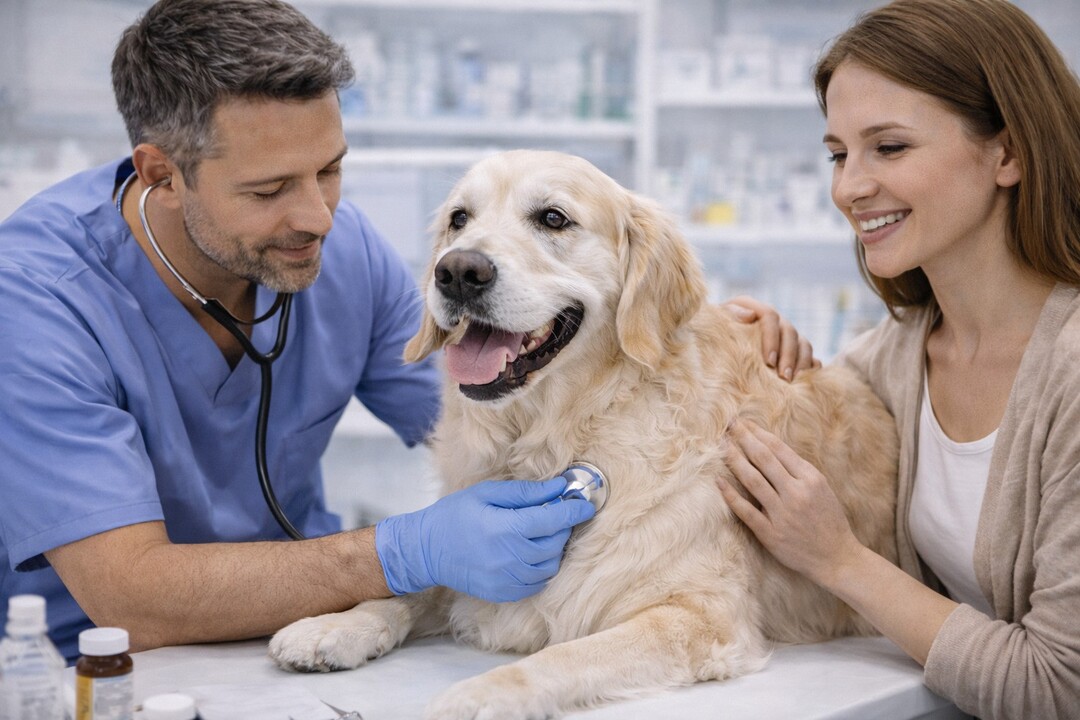
During a checkup, the vet checks weight, heart, lungs, teeth, skin, joints, and eyes. You also talk about food, bathroom habits, and changes in mood. Each small clue helps your vet see risk. That clear picture guides simple steps that prevent big suffering later.
How Often You Should Schedule Visits
Different pets need different visit schedules. Age and health matter. As a general guide, many vets use this plan. It is also reflected in advice from the Centers for Disease Control and Prevention.
| Pet Life Stage | Typical Age Range | Suggested Visit Frequency | Main Goals Of Visit
|
|---|---|---|---|
| Puppy or kitten | Birth to 1 year | Every 3 to 4 weeks, then every 6 to 12 months | Vaccines, parasite checks, growth checks, new owner questions |
| Adult | 1 to 7 years for dogs, 1 to 9 years for cats | At least once a year | Weight control, dental checks, behavior review, early disease checks |
| Senior | Over 7 years for dogs, over 9 years for cats | Every 6 months or more often if sick | Blood work, pain control, organ checks, comfort plans |
You and your vet can change this schedule if your pet has long term problems or special needs. The key is to keep visits steady and not wait for a crisis.
What Happens During A Checkup
A standard visit follows a simple path. You can expect three main steps.
- History. You share changes in eating, drinking, bathroom use, sleep, and play. You share travel and contact with other animals.
- Physical exam. The vet checks heart, lungs, eyes, ears, teeth, skin, belly, and joints. The vet also checks weight and body shape.
- Screening tests. The vet may run blood tests, urine tests, or stool checks. The vet may test for heartworm or tick diseases.
These steps may feel simple. They are quiet but powerful. Many serious diseases first show up as a small heart murmur, a mild weight shift, or a slight change in blood work. Those early signs give you a chance to act before your pet feels deep pain.
Preventive Care That Starts At Checkups
Checkups are the base for many protective steps. Each one removes a quiet threat to your pet’s life span.
- Vaccines. Shots protect against rabies, parvo, distemper, and other infections. States require rabies shots because they protect both pets and people.
- Parasite control. Heartworm, ticks, and fleas can cause heart failure, blood loss, and infection. Your vet picks safe pills or topical treatments.
- Dental care. Gum disease can lead to tooth loss and organ damage. Regular mouth checks and cleanings help your pet eat and live longer.
- Weight and nutrition. Extra weight shortens life. Your vet can suggest food type, amount, and feeding schedule that fit your pet.
- Spay or neuter advice. Surgery can reduce some cancers and behavior problems. Your vet can help you choose the right time.
The American Veterinary Medical Association explains these steps in its pet care resources. You can use those guides to prepare questions for your next visit.
Why Early Detection Saves Money And Suffering
Many people wait to see a vet until a pet shows strong signs of pain. By that time, disease may be advanced. Treatment may need hospital care, imaging, strong drugs, or surgery. The cost rises. The risk for your pet rises.
In contrast, early detection often means simple steps.
- A diet change and daily walks for early joint pain.
- A tooth cleaning and home brushing for early gum disease.
- A short course of medicine for a simple skin infection.
- A heartworm prevention pill each month instead of treating heart failure later.
These choices protect your savings and spare your pet from long suffering. You limit fear, hospital time, and hard choices.
How To Prepare For Each Visit
You can make each checkup stronger with a short plan. Three steps help most families.
- Track changes. Write down any shifts in eating, drinking, bathroom use, breathing, or mood. Small notes help your vet see patterns.
- Bring records. Bring a list of current medicines, supplements, and treats. Bring records from past vets if you have them.
- Ask clear questions. Ask what you should watch for at home. Ask about warning signs that need a phone call or visit.
This simple plan turns a short exam into a strong life plan for your pet.
When Your Pet Hates The Vet Office
Many pets feel stress in the clinic. You can still keep up with care. You just need a few kind habits.
- Use a carrier or harness that feels safe and stable.
- Bring a favorite toy or blanket with a home scent.
- Ask the clinic about quiet waiting options.
- Practice short car rides that end in calm rewards.
Over time, your pet can learn that visits are short and safe. Your calm voice and steady routine matter more than any treat.
Making Regular Checkups A Family Habit
Checkups are not a luxury. They are a core part of responsible pet care. They give you clear facts about your pet’s body. They give you early warning and simple steps. They add strong, active years to your shared life.
You cannot prevent every illness. You can still lower risk and pain. You can give your pet a longer, steadier life. You do that by showing up, asking hard questions, and acting on the plan you and your vet build together.
Your pet trusts you without question. Regular veterinary checkups repay that trust with time. More walks. More purrs. More quiet mornings with a healthy friend at your side.