Table of Contents
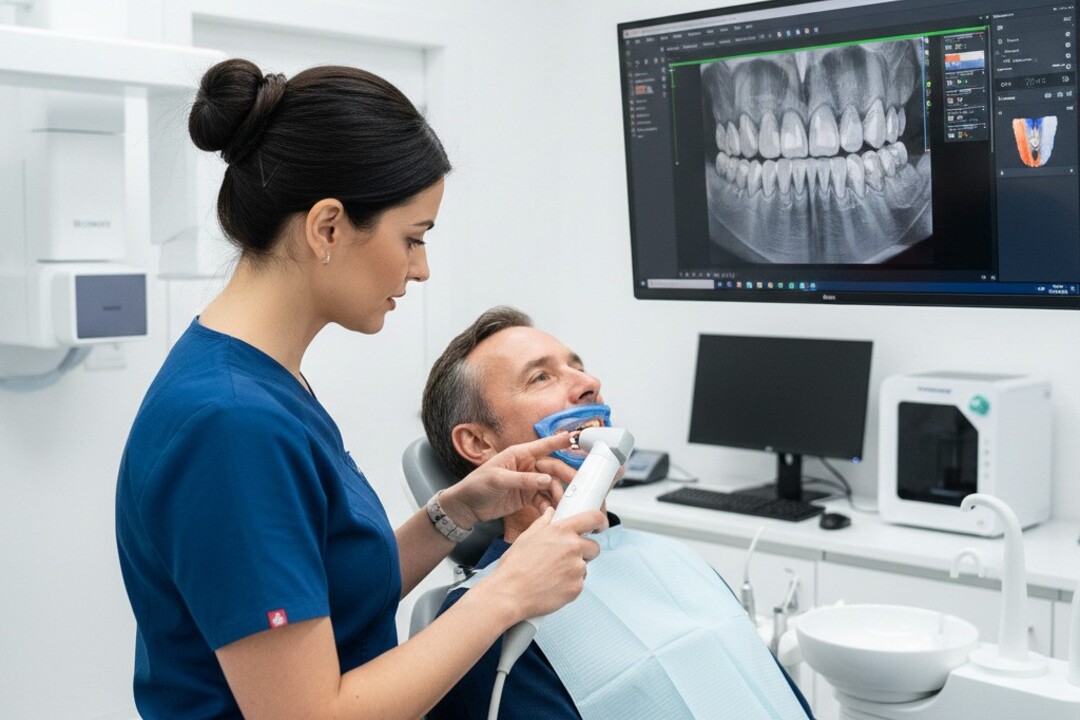
You trust your dentist with your health, your comfort, and your time. Today, general dentistry uses new tools to give you care that is more exact and less stressful. Digital scans replace sticky impressions. 3D images show hidden tooth problems. Smart cameras catch tiny cracks before they turn into deep pain. In a modern office, like a Lutz family dentist, technology supports every step of your visit. It helps your dentist see more, move faster, and reduce guesswork. It also means fewer repeat visits and fewer surprises. This blog explains how these tools work, how they change your exam, and what they mean for your long-term health. You deserve clear answers. You also deserve care that is accurate, steady, and honest.
Why accuracy in dental care matters to you
Small mistakes in your mouth can grow into large problems. A tiny cavity can reach the nerve. A missed crack can turn into a broken tooth. A rough bite can strain your jaw and cause daily pain.
Accurate care gives you three things.
- Earlier problem finding
- Less pain and fewer urgent visits
- Lower cost over time
Modern tools help your dentist spot issues at the first sign. That means shorter treatment and more time spent on prevention instead of repair.
Digital X‑rays: clearer images with less radiation
Digital X-rays are now common in general dentistry. They use sensors instead of film. That shift brings clear benefits for you.
- Lower radiation. Digital systems use less radiation than old film systems. The American Dental Association explains how dentists match X-rays to your risk and age.
- Instant images. Your dentist sees the picture on a screen right away. There is no chemical film developing.
- Better detail. The image can be enlarged, sharpened, and color-enhanced. Tiny decay between teeth is easier to see.
- Easy sharing. Images move by secure email to a specialist if you need one.
These changes cut guesswork. Your dentist does not need to “watch and wait” as often. Instead, you get clear proof on the screen.
Intraoral cameras: seeing what you feel
An intraoral camera is a small camera that fits in your mouth. It takes close pictures of teeth, gums, and old fillings. You see the same image on a chairside screen.
This tool helps in three ways.
- Shows early damage. The camera can show tiny chips, leaking fillings, and plaque that you miss with a mirror at home.
- Builds trust. You see the same problem your dentist sees. That makes treatment plans feel fair and honest.
- Tracks change. Photos from past visits showwhetherf a worn spot is getting worse or staying stable.
When you can see the cracked tooth that matches your sharp pain, the choice to treat feels clear and calm.
Digital impressions and 3D scans: no more goo trays
Many people fear the old impression trays that cause gagging. Digital scanners now take the place of those trays in many offices.
Here is how they help you.
- More comfort. A small wand moves over your teeth. It captures thousands of images in seconds.
- Higher accuracy. The computer builds a 3D model of your teeth. That model is more exact than most traditional molds.
- Faster crowns and guards. Labs receive digital files right away. Some offices even make crowns on-site.
The result is a crown or night guard that fits better the first time. That cuts down on repeat visits for grinding and adjusting.
Comparing traditional and digital methods
| Type of tool | Traditional method | Digital method | What it means for you
|
|---|---|---|---|
| X rays | Film on cardboard | Digital sensor | Less radiation and clearer images |
| Impressions | Goo filled trays | 3D scanner wand | More comfort and better fit |
| Tooth exam | Mirror and metal probe | Intraoral camera | You see what the dentist sees |
| Cavity check | Visual check and X ray | Laser or light based cavity scanner | Earlier cavity finding |
Cavity detection tools: finding decay earlier
Some offices use special lights or low-power lasers to scan tooth surfaces. These devices measure changes in how the tooth reflects light. That helps find soft spots that may not show on X-rays yet.
Early detection gives you three gains.
- Smaller fillings
- More chance to repair with fluoride or sealants
- Lower risk that you will need root canal treatment later
When your dentist catches decay at this stage, treatment is quicker and often needs less numbing.
Electronic records and safer planning
Electronic dental records hold your history, X-rays, images, and medicines in one secure place. Many systems flag drug allergies and health risks while your dentist plans treatment.
The Office of the National Coordinator for Health Information Technology explains how digital records support safer care across health settings.
For you, that means:
- Less need to repeat your history
- Lower chance of medicine mix ups
- Better coordination if you see a doctor or specialist
How technology changes your visit step by step
Here is what a tech-supported visit can look like.
- You check in and confirm your health form on a tablet.
- The hygienist takes digital X-rays that appear on the screen right away.
- An intraoral camera shows plaque, redness, and old fillings.
- If you need a crown, the dentist scans your teeth instead of using a tray.
- A digital record stores all images and notes for your next visit.
Each step uses clear data instead of guesswork. That leads to plans based on what your dentist can see and measure.
Questions you can ask your dentist
You have the right to understand how your care works. During your next visit, you can ask:
- What digital tools do you use to improve accuracy
- How do you reduce radiation from X-rays
- Can you show me my teeth on the screen and explain what you see
- Do you use digital impressions for crowns or guards
Clear answers build trust. They also help you take an active role in your own care.
Using technology to protect your long-term health
Dental technology is not about shiny gadgets. It is about fewer surprises and fewer regrets. When your dentist can see more, you can act sooner. That means less pain, fewer lost teeth, and more steady comfort when you eat and speak.
You deserve care that is careful, honest, and exact. When you choose a dentist who uses these tools with skill, you choose fewer doubts and more control over your health.