Table of Contents
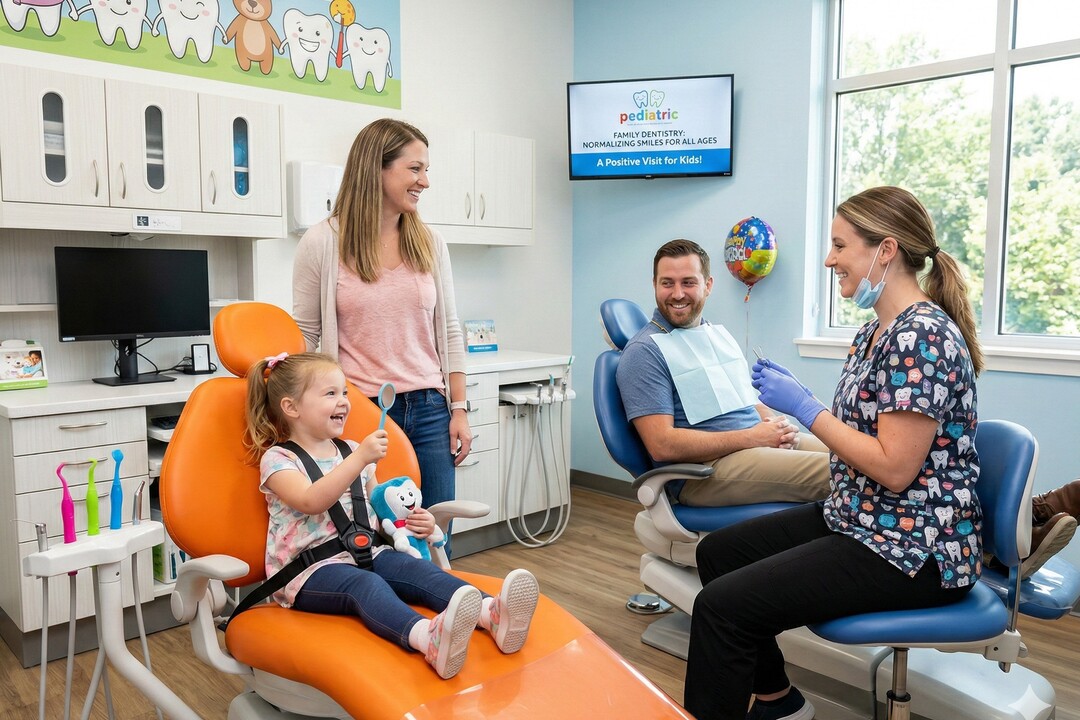
You want your child to feel safe in the dental chair. You also want fewer battles before appointments and fewer worries about their smile. A family dentist can help with both. A steady office, a familiar team, and simple routines turn scary visits into normal parts of life. Your child sees you sit in the same chair. They watch the same dentist check your teeth. That shared experience teaches them that care is ordinary, not a punishment. It also helps catch problems early, before pain or fear grows. If you choose family dental care in Harrisburg, your child can start young, stay with one office, and build trust over years. That trust shapes how they treat their teeth as adults. It also protects their health, speech, and confidence.
Why early and regular visits matter
Many adults still remember a first visit that hurt. That memory lingers. You can break that cycle for your child. Early, steady visits lower fear and lower risk of tooth decay.
The Centers for Disease Control and Prevention explains that cavities are one of the most common chronic conditions in children. Regular cleanings and checkups keep small issues from turning into pain. They also help your child learn simple habits that last.
With a family dentist, you do not wait until something hurts. You bring your child in on a schedule. The visit feels short and plain. Over time, the office becomes part of their routine, like school or checkups with the pediatrician.
How family dentistry lowers fear
Dental fear grows in silence. Kids imagine what they do not see. Family dentistry cuts through that with clear, steady signals of safety.
Your child:
- Watches you sit in the chair and stay calm
- Hears the same voices at every visit
- Learns the names of the dentist and staff
This pattern sends one message. The office is safe. The people are kind. Nothing bad happens when you sit in the chair. That message sinks in deeper each year.
Trust also grows when the dentist explains each step in plain words. Short, clear statements help. For example, “I will count your teeth now.” Then, “I will clean your teeth with a small brush.” That kind of talk keeps surprises away. Your child stays in control.
Benefits for the whole family
Family dentistry helps you as much as your child. One office handles cleanings and exams for every person in the home. You juggle fewer calendars. You know who to call when something hurts or chips.
When you keep your own appointments, you send a strong message. You show that care is not optional. It is normal. Your child copies what you do. They are more likely to brush, floss, and show up for visits as they grow.
Family dentists also see patterns. They watch how teeth grow in siblings and parents. That history helps them spot risk early. If one child has crowding or enamel weakness, the dentist can watch the others more closely.
What a “normal” kid visit looks like
Structure makes visits feel safe. A typical checkup with a family dentist follows a simple pattern.
- Greeting at the front desk by familiar staff
- Short wait with a quiet activity or book
- Cleaning and counting teeth
- Check of gums, bite, and jaw growth
- Fluoride treatment if needed
- Short talk about brushing, flossing, and snacks
Each step is quick. Many offices let younger kids sit on a parent’s lap at first. Over time, kids move to the chair on their own. That slow shift builds courage.
Family dentistry compared with emergency only care
Some families only visit a dentist when a tooth hurts. That pattern teaches kids that the office means pain. Regular care sends the opposite signal. The table below compares the two paths.
| Type of care | Typical reason for visit | Child’s common emotion | Long term effect on health
|
|---|---|---|---|
| Family dentistry with regular visits | Checkups, cleanings, small fixes | Calm or mild worry that fades | Fewer cavities and less pain over time |
| Emergency only care | Severe pain, infection, or broken tooth | Fear and tension before each visit | Higher risk of decay and missed school |
The American Academy of Pediatric Dentistry notes that untreated cavities can lead to pain, infection, and trouble eating or learning. Regular family visits help avoid those outcomes.
How parents can support healthy habits
You play the strongest role. Your words and actions shape how your child sees dental care.
You can:
- Use short, honest words about what will happen
- Avoid scary stories about your own past visits
- Practice “open wide” at home with a small mirror
- Read simple books about going to the dentist
- Offer praise for small acts of courage
You can also set a steady home routine. Brush with your child in the morning and at night. Floss once a day when teeth touch. Drink water instead of sweet drinks between meals. These small steps match what the dentist teaches. That unity gives your child a clear path.
When to start and what to ask
Most experts suggest that a child see a dentist by the first birthday or within six months of the first tooth. That early visit is short. It focuses on comfort, growth, and parent questions.
You can ask the dentist:
- How often your child should come in
- How to clean baby teeth and gums
- How snacks and drinks affect teeth
- When to think about orthodontic care
These talks help you plan. They also show your child that questions are welcome. That respect builds trust.
Creating a new kind of memory
Your child will remember these visits. With family dentistry, those memories can feel calm. They can be full of small routines, kind faces, and simple success. You replace fear with trust. You replace crisis with care. Over time, that shift protects more than teeth. It guards your child’s comfort, sleep, and sense of control.