Table of Contents
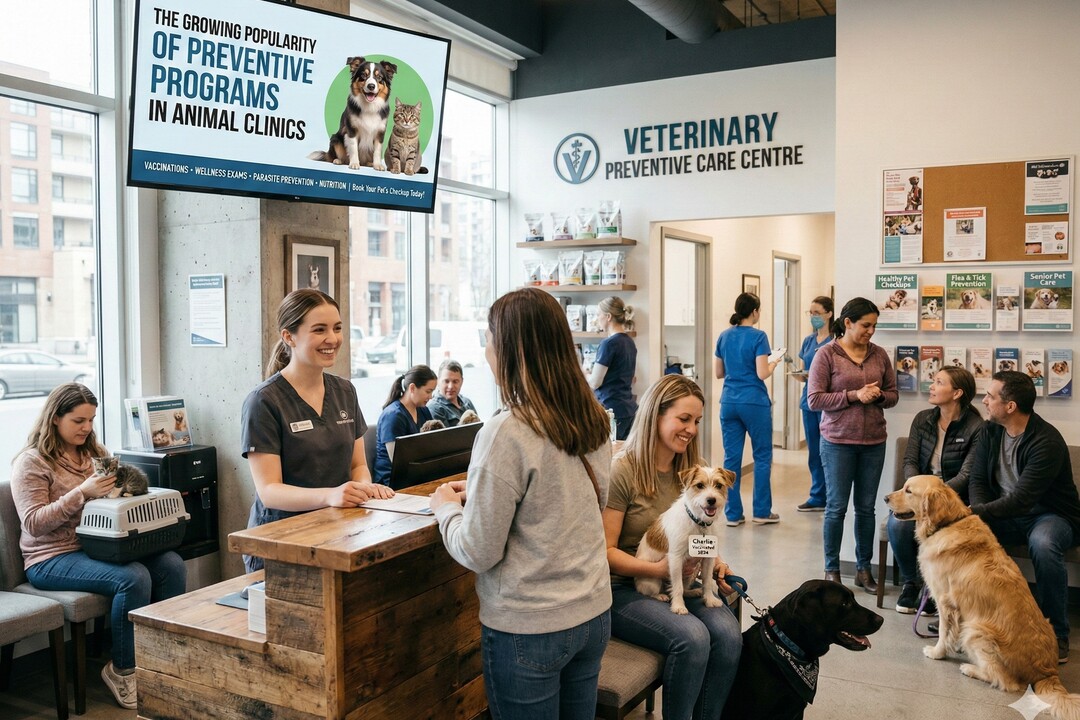
You want your pet to stay healthy, not just survive a crisis. That is why more people now choose preventive programs at animal clinics. These programs use regular checkups, vaccines, blood work, and dental care to catch problems early. They also spread out costs, which reduces the shock when a pet gets sick. In many clinics, preventive plans give you clear steps and steady support. You know when to come in, what to expect, and how to care for your pet at home. This structure builds trust. It also helps your pet live longer with less pain. Many owners now ask a veterinarian in Strathroy, ON about wellness plans before any sign of illness. This shift shows a hard truth. Waiting for symptoms often means more suffering and higher bills. Preventive programs give you control, clarity, and a stronger chance to protect your pet.
Why preventive programs are rising in clinics
Families see pets as part of the household. That bond changes how you think about care. You do not wait for a crisis with a child. You book checkups, vaccines, and cleanings. Now you expect the same structure for your dog or cat.
Clinics respond with simple wellness plans. These plans group routine services into one package. You see a clear yearly path for care. You also gain a set plan for costs. That reduces fear and delay. It also removes guesswork.
Research backs this shift. The American Veterinary Medical Association explains that routine exams help find illness before it becomes hard to treat. Early care often means shorter treatment and lower costs. It also means less stress for your pet and your family.
What a typical preventive program includes
Most wellness plans center on three simple goals. Keep disease away. Find problems early. Support daily care at home.
Common parts of a program include:
- Yearly or twice yearly physical exams
- Core vaccines based on age and risk
- Blood work and urine tests to check organs
- Fecal tests for parasites
- Heartworm and tick prevention
- Dental exams and cleanings
- Weight checks and food guidance
Each piece has one purpose. Catch small changes before they grow into pain, infection, or organ damage.
How preventive care compares to reactive care
Preventive programs shift your focus from rescue to protection. The difference is sharp. The table below shows a simple comparison for a middle-aged dog. Costs are estimates and can change by clinic and region. They show a pattern, not a promise.
| Type of care | Example services in 1 year | Typical timing | Estimated cost range (USD) | Likely outcome for pet
|
|---|---|---|---|---|
| Preventive program | 2 exams, vaccines, blood work, parasite tests, dental cleaning | Planned visits across the year | 400 to 700 total | Problems found early. Shorter treatment. Lower risk of crisis. |
| Reactive care only | Emergency visit, X-rays, lab work, hospital stay, surgery in some cases | Unplanned visit during crisis | 1,000 to 5,000 or more | More pain. Higher risk of lasting damage or loss. |
These numbers reflect a clear truth. Skipping routine care does not remove cost. It often pushes it into one large emergency bill. It also raises the risk of loss that you cannot repair with money.
Benefits you and your pet feel day to day
Preventive programs affect more than your wallet. They change daily life for you and your pet in three main ways.
- Less fear. You know what care is due and when. That structure replaces guesswork with a calm plan.
- Closer bond. A healthy pet plays more, eats better, and sleeps with ease. That steady comfort strengthens your bond.
- Better guidance. Regular visits give you more time to ask hard questions about behavior, food, aging, and end-of-life plans.
The Centers for Disease Control and Prevention notes that pets can also carry germs that spread to people. Routine vet care and parasite control help cut that risk. You can read more in the CDC guide on healthy pets, healthy people.
Why clinics promote these programs
Some owners worry that wellness plans push extra services. In truth, many clinics support these programs for three simple reasons. They see fewer emergencies. They see shorter treatments. They see more stable pets.
Regular checkups help staff track weight, teeth, heart, and behavior over time. That record tells a clear story. A slow change in weight or kidney values may not stand out in one visit. It becomes clear when seen across visits. Then the team can act early.
Clinics also use plans to support clear talks about money. You see the cost of care up front. You choose a plan that fits your budget. You avoid surprise bills that cause delay or guilt.
How to choose the right preventive program
Not every plan fits every pet. You can use three simple steps to choose.
- Know your pet. Age, breed, and lifestyle matter. An indoor cat has different risks than an active farm dog.
- Review what is included. Look for exams, vaccines, tests, and dental care. Ask what is covered and what is not.
- Ask about changes. Life changes. Ask how often the plan can be reviewed and updated as your pet ages.
Then bring written questions to your next visit. Ask your vet to walk through each part of the plan. Ask what might happen without those services. That contrast can clear doubt.
Taking the next step for your pet
Preventive programs in animal clinics grow in use because they match what you already know. It is easier to keep health than to fix damage. It is kinder to stop pain before it starts than to soothe it after.
You do not need to wait for a crisis. You can call your clinic, ask about wellness plans, and schedule a visit. You can request a clear outline of yearly care. You can choose steady protection over rushed rescue.
Your pet cannot ask for that plan. You can. That choice protects your pet’s comfort, your peace of mind, and your family’s heart.