Table of Contents
Pets bring joy, but they can’t always tell you when something is wrong. Watching for signs of distress is important. You need to act quickly when you notice these signs. Ignoring them can lead to serious problems. A London West veterinarian stresses the importance of identifying issues early. Look for sudden changes in behavior or appearance. Pay attention to your pet’s eating habits and energy levels. If you notice anything unusual, it might be time to seek help. Understanding these signs, you can ensure your pet gets the care it needs. Your pet relies on you to spot these red flags. Acting with urgency can mean the difference between a simple fix and a complicated issue. By knowing what to look for, you can protect your furry friend’s health and happiness. Stay alert and trust your instincts to provide the best care possible.
1. Difficulty Breathing
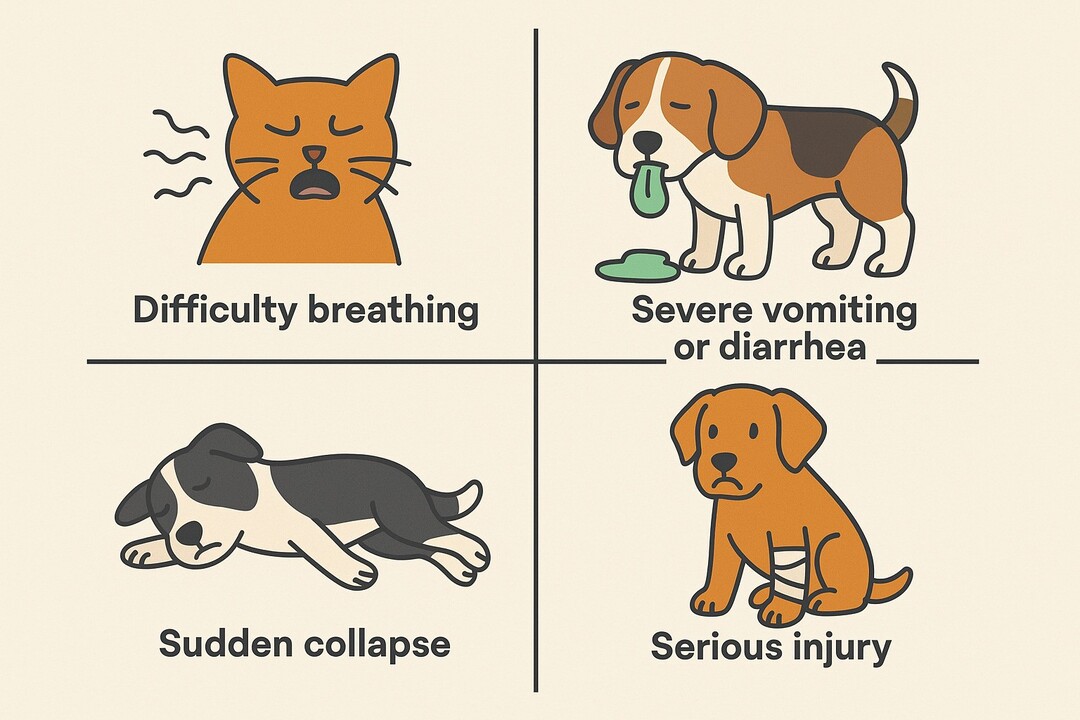
Breathing issues are serious. Rapid or labored breathing, coughing, or wheezing can indicate respiratory distress. This needs immediate attention. Pets can’t survive long without adequate oxygen. If you observe these symptoms, seek veterinary care right away.
2. Changes in Appetite or Water Intake
Sudden changes in eating or drinking habits can signal health problems. Not eating or drinking can lead to dehydration and weakness. Increased thirst may indicate issues like diabetes or kidney problems. Monitor these changes and consult a veterinarian if they persist for more than a day.
3. Vomiting or Diarrhea
Occasional vomiting or diarrhea can happen. However, frequent episodes or those with blood can be serious. These symptoms may lead to dehydration. Persistent symptoms need urgent medical evaluation. They can signal infections or more severe conditions.
4. Unusual Lethargy or Restlessness
Noticeable changes in energy levels should concern you. Excessive sleeping or an inability to relax can indicate pain or discomfort. If your pet seems disinterested in activities they love, it’s time to worry. Seek veterinary advice if these changes continue.
Quick Comparison: Common Symptoms vs. Emergency Symptoms
| Common Symptoms | Emergency Symptoms |
|---|---|
| Occasional cough | Repeated coughing fits |
| Skipping a meal | Not eating for over 24 hours |
| Minor fatigue | Extreme lethargy |
| Single episode of diarrhea | Persistent diarrhea with blood |
Responding to Emergencies
Speed is crucial when dealing with pet emergencies. Recognize the signs and act swiftly. Preparing in advance can make a difference. Know the location of the nearest veterinary clinic. Keep their contact details handy.
Creating a Pet Emergency Plan
- Identify the nearest 24-hour veterinary hospital.
- Keep a pet first-aid kit accessible.
- Have your pet’s medical records ready for quick reference.
Ensuring you have an emergency plan helps you respond effectively. Your pet’s health depends on your preparedness.
Additional Resources
For more guidance on pet emergencies, visit the American Veterinary Medical Association’s emergency care page. They offer valuable advice for handling pet emergencies. Being informed reduces anxiety and improves outcomes when emergencies arise.
Remember, your pet communicates through behavior. Changes often tell a story. Paying attention and acting quickly can prevent serious complications. Trust your instincts when something feels wrong with your pet.
By recognizing these signs and knowing how to respond, you ensure your pet gets timely care. Their health and well-being are in your hands. Provide them with the love and attention they need to live happy, healthy lives.