Table of Contents
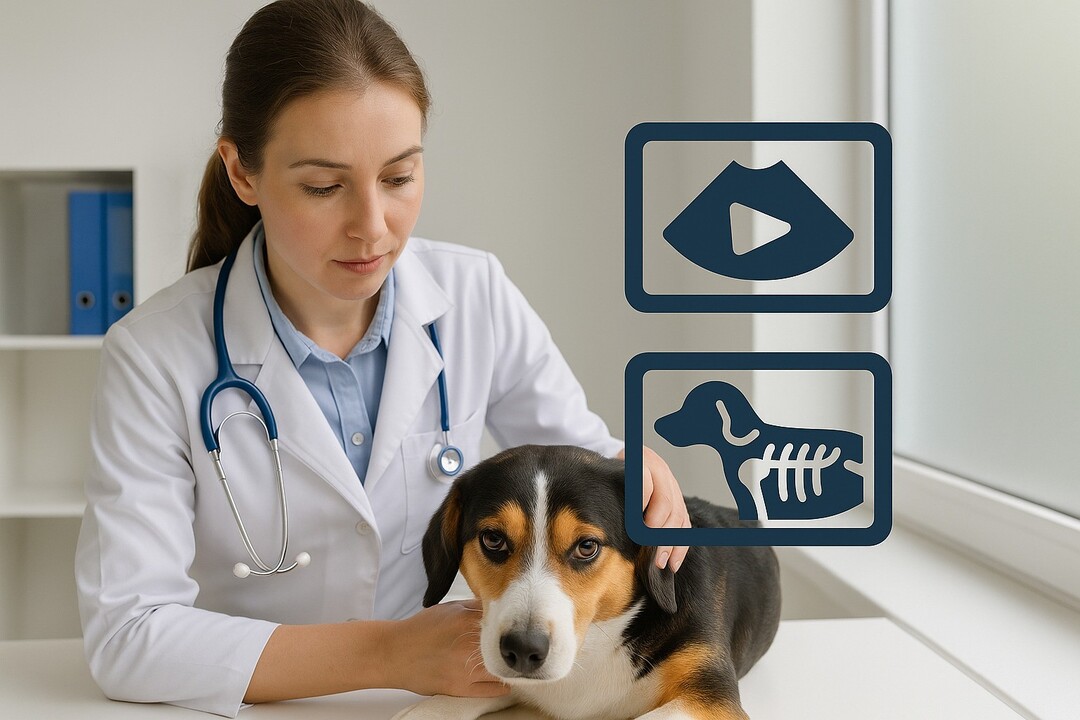
When your pet feels unwell, you want answers fast. Diagnostic imaging plays a key role in veterinary medicine. It unveils hidden issues without invasive procedures. As a pet owner, you rely on these tools to provide clarity and peace of mind. Whether it’s an unexpected limp or digestive trouble, imaging can pinpoint problems effectively. Techniques like X-rays, ultrasounds, and MRIs help veterinarians see inside your pet’s body. They uncover issues invisible to the naked eye. A veterinarian in Parkdale, Toronto, may use these methods to see the unseen. This allows for quicker diagnosis and more effective treatment. Early detection through imaging can make a difference in your pet’s health journey. By understanding these tools, you can be proactive in your pet’s care. Imaging is not just about pictures. It’s about ensuring your beloved animal receives the best care possible. This approach leads to healthier, happier lives for your pets.
Understanding Diagnostic Tools
Diagnostic imaging uses non-invasive techniques to get a detailed look inside your pet’s body. This is essential in detecting diseases early and effectively. Understanding these tools can help you make informed decisions about your pet’s health.
Common Imaging Techniques
- X-rays: These are often the first step in identifying bone fractures, tumors, or foreign objects.
- Ultrasounds: Useful for examining soft tissues, organs, and blood flow. It’s popular for pregnancy checks and abdominal issues.
- MRIs: Provide detailed images of soft tissues like the brain and spinal cord. Ideal for neurological problems.
Benefits of Imaging
Each technique offers unique benefits. X-rays, for instance, are quick and provide immediate results. Ultrasounds are safe and painless, making them suitable for frequent use. MRIs offer detailed images, providing comprehensive information about complex issues.
When Imaging Is Necessary
Not every health issue requires diagnostic imaging. However, certain symptoms indicate a need for these tools:
- Persistent pain or lameness
- Unexplained weight loss
- Changes in eating or drinking habits
- Severe trauma or injury
Discuss with your veterinarian if you notice these signs. They can guide you on the best imaging option for your pet.
Comparing Imaging Techniques
| Technique | Best For | Advantages |
|---|---|---|
| X-rays | Bone fractures, Foreign objects | Quick results |
| Ultrasounds | Soft tissues, Organs | Safe, Painless |
| MRIs | Brain, Spine | Detailed images |
Partnering with Your Veterinarian
Communicating with your veterinarian ensures the best care for your pet. They assess your pet’s needs and recommend the right imaging technique. It’s important to trust their expertise and experience.
Conclusion
Diagnostic imaging is a valuable tool in veterinary medicine. It helps catch health issues early, leading to better outcomes. By working with your veterinarian, you ensure your pet gets the appropriate care. Stay informed and proactive in your pet’s health journey. For more information on diagnostic imaging, visit the American Veterinary Medical Association website.