Table of Contents
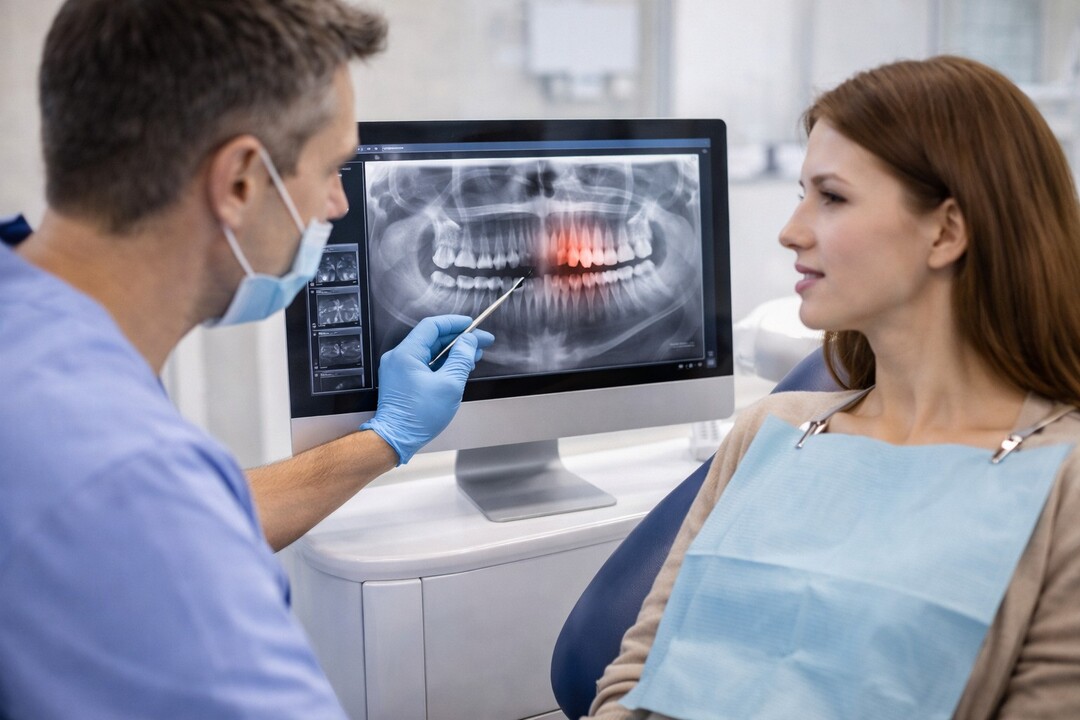
Digital imaging changed how you receive care. You now see what your dentist sees. You gain clear pictures of teeth, gums, bone, and jaw joints without large cuts or long visits. You feel less fear because you understand what is happening inside your mouth. You and your dentist can plan small, exact treatments that respect your whole body. You reduce guesswork. You protect healthy tissue. You shorten healing time. As a result, you avoid many heavy surgeries and strong drugs. You also catch problems early, before they spread and drain your energy. A holistic dentist in Houston uses digital scans, 3D images, and precise photos to connect your mouth with your sleep, breathing, posture, and daily pain. This blog explains how these tools guide gentle care, support your choices, and help you protect your health with fewer needles, fewer surprises, and more control.
What Digital Imaging Means For Your Mouth And Body
Digital imaging is any picture of your teeth or jaws that uses sensors and computers instead of film. You see the results on a screen in seconds. You do not wait for chemicals or dark rooms. You also need less radiation than with past film X rays. The Centers for Disease Control and Prevention explains that modern dental X rays use low doses when used with care.
You feel the benefits in three ways.
- You get clear images that show tiny cracks, early decay, and hidden infection.
- You avoid many repeat X rays because the sensor is sensitive.
- You can store and share the images with other doctors when needed.
In holistic care, your mouth is part of your full body. Digital imaging helps your dentist see how your bite, airway, jaw joints, and muscles link to headaches, neck pain, or poor sleep. You get a plan that fits your whole health story.
Common Digital Tools You May See In The Chair
You may meet several types of digital tools in a modern office. Each one gives a different kind of picture.
- Digital bitewing and periapical X rays. These show single teeth and nearby bone. You see cavities between teeth, early bone loss, and root problems.
- Panoramic X rays. These wrap around your whole mouth. You see all teeth, sinuses, jaw joints, and parts of the airway in one view.
- CBCT 3D scans. Cone beam scans create a three dimensional view. You see the shape of your airway, roots, nerves, and jaw joints.
- Intraoral photos. A small camera takes close photos of each tooth and gum line.
- Optical impressions. A scanner replaces trays of goo. You get a digital model of your teeth for guards, aligners, or crowns.
The National Institute of Dental and Craniofacial Research shares that these tools help dentists find disease early. You gain more choices and less intense work.
How Digital Imaging Supports Minimally Invasive Care
Minimally invasive care means your dentist removes as little healthy tissue as possible. Digital imaging is the guide. It shows where disease starts and where it stops. You avoid guesswork and wide cuts.
You benefit in three key steps.
- Early spotting. Small shadows on a digital X ray can show weak spots before they become deep cavities. You may use fluoride, diet changes, or sealants instead of drills.
- Precise planning. A CBCT scan can show the height and width of bone. Your dentist can place implants or plan surgery while avoiding nerves and sinus spaces.
- Careful follow up. Repeat images show if treatment works. You avoid extra work that you do not need.
As a result, you protect more natural tooth. You face less bleeding. You face fewer root canals and extractions. You keep more strength for work, family, and sleep.
Radiation, Safety, And Peace Of Mind
Many people fear X rays. You may worry about cancer or long term harm. That fear is real. You deserve clear facts. Digital systems use sensors that need less radiation than film. Your dentist also follows rules for safe use.
Here is a simple comparison that shows common relative exposure levels. The numbers are general and can vary. They use microSieverts, which is a unit that measures radiation dose.
| Source | Approximate dose (µSv) | Plain language comparison
|
|---|---|---|
| One digital bitewing X ray | 5 | About the same as half a day of natural background radiation |
| Set of four digital bitewings | 20 | About a few days of background radiation |
| Panoramic digital X ray | 14 | About two days of background radiation |
| CBCT small jaw scan | 50 to 200 | About several days to a few weeks of background radiation |
| Daily natural background radiation | 10 | What you get each day from earth and sky |
Your dentist can explain why each image is needed. You can ask for the smallest scan that answers the question. You can also share if you are pregnant, trying to conceive, or have had many scans in the past. That way your team can adjust your plan.
Holistic Care: Connecting Teeth, Airway, And Whole Health
Holistic care looks at your body as one system. Your teeth and jaws affect how you breathe, sleep, and move. Digital imaging makes these links clear.
Examples include three patterns.
- Airway and sleep. A CBCT scan can show a narrow airway. Your dentist may see signs of snoring or sleep apnea risk. You may get help before you face heart strain or mood shifts.
- Jaw joints and posture. Images of your jaw joints can match with neck pain or shoulder tightness. You can explore bite guards or muscle therapy with more purpose.
- Hidden infection. Old root canals or deep fillings may hide infection. A 3D scan can show dark zones around roots. You can treat them before bacteria spread through your blood.
This whole view supports gentle choices. You may focus on sleep, stress, and food as part of your dental plan. You also gain a clear picture to bring to your doctor, physical therapist, or counselor.
How To Use Digital Imaging To Support Your Choices
You have a say in every image. You can use three simple steps to stay in control.
- Ask what the dentist hopes to see with each image.
- Ask if older images already show enough.
- Ask to see the image and have it explained in simple words.
You can also keep copies of your images. Many offices can email them or place them on a drive. You can share them with other providers to avoid repeat scans. You protect your time, money, and comfort.
Key Takeaways For You And Your Family
Digital imaging is not about fancy tools. It is about less pain, less drilling, and more trust. You gain clear pictures. You gain early warnings. You gain care that respects your body and your fears.
- You see what your dentist sees and feel more control.
- You face smaller, more exact treatments with shorter healing.
- You protect healthy tooth, jaw, and bone while watching your airway and joints.
When you sit in the chair, you can ask how each digital tool will help you avoid heavy treatment. You deserve clear answers and gentle care that keeps your whole body in mind.