Table of Contents
Your mouth tells a story long before you speak. When teeth hurt, break, or shift, your whole life can feel off balance. Yet you may still delay care and hope things improve on their own. That delay often leads to deeper pain, higher costs, and stress you do not need to carry. This blog shows you three clear signs that you should stop waiting and reach out to a family dentist. You will see when a simple cleaning is not enough, when bleeding or swelling means real danger, and when missing teeth call for help from a dental implants dentist in Joliet, IL. You deserve clear answers, steady support, and a plan that fits your daily life. Once you know these signs, you can act early, protect your health, and feel steady every time you bite, chew, and smile.
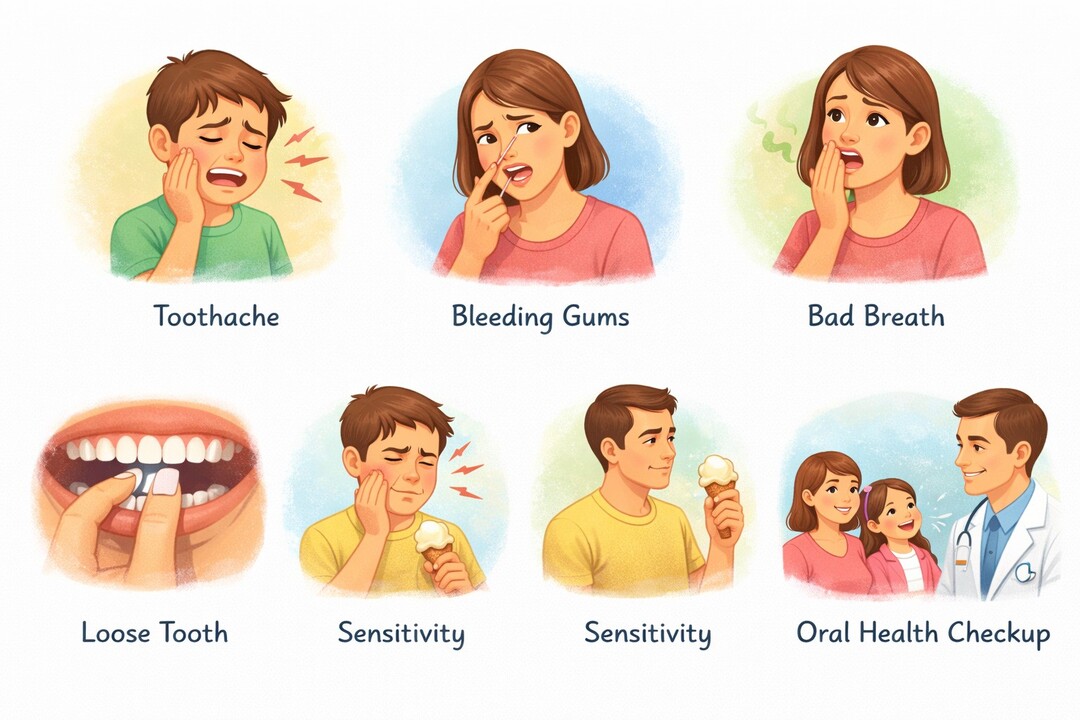
Sign 1: Ongoing Pain, Sensitivity, Or Broken Teeth
Tooth pain is a warning. Your body is telling you that something is wrong. When you ignore that signal, the problem grows.
You should contact a family dentist when you notice any of these three patterns.
- Tooth pain that lasts more than one or two days
- Sharp sensitivity to hot, cold, or sweet drinks
- A cracked, chipped, or broken tooth
Even small cracks can let in germs. Those germs can reach the inner part of the tooth. That can cause infection and deep pain. A family dentist can find the source and stop it before it spreads.
The Centers for Disease Control and Prevention reports that untreated cavities are common in both children and adults. You can see national data on untreated decay here https://www.cdc.gov/oralhealth/fast-facts/tooth-decay/index.html. Untreated decay often starts with mild pain. It does not stay mild for long.
Here is a simple guide that shows when to watch and when to act.
| Symptom | What It Might Mean | What You Should Do
|
|---|---|---|
| Quick pain that comes and goes | Early cavity or worn enamel | Schedule a non urgent visit within a few weeks |
| Pain when chewing on one side | Cracked tooth or deep cavity | Call a family dentist within a few days |
| Throbbing pain that keeps you awake | Possible infection | Seek urgent care the same day |
| Broken tooth with sharp edges | Risk of nerve damage and cuts | Call right away for a prompt visit |
You do not need to wait until pain feels extreme. Early care often means a small filling instead of a root canal or an extraction. That saves time, money, and emotional strain.
Sign 2: Bleeding Gums, Swelling, Or Bad Breath
Your gums hold your teeth in place. When gums suffer, teeth suffer. Many people see blood when they brush and think it is normal. It is not. It is a sign of gum disease.
Pay close attention if you notice these three warning signs.
- Gums that bleed when you brush or floss
- Red, tender, or swollen gums
- Bad breath that does not improve after brushing
These changes often show early gum disease. Without care, gum disease can lead to tooth loss. It can also connect with other health problems. The National Institute of Dental and Craniofacial Research explains gum disease and treatment options here https://www.nidcr.nih.gov/health-info/gum-disease/more-info.
A family dentist can
- Check your gums and measure any pockets around your teeth
- Remove hard buildup that brushing cannot reach
- Show you how to brush and floss so your gums stay firm
Bleeding once in a while still matters. It means your gums are under attack. When you act early, you can reverse the damage. When you wait, you risk loose teeth and infections that hurt your whole body.
Sign 3: Missing Teeth, Loose Teeth, Or Trouble Chewing
Missing or loose teeth affect more than your smile. They change how you chew and speak. They can change how you see yourself. You might avoid certain foods. You might hide your smile in photos. That quiet shame can spread into other parts of your life.
You should seek guidance from a family dentist if you notice any of these changes.
- One or more missing teeth
- Teeth that feel loose or shift when you bite
- Jaw pain or clicking when you chew
Missing teeth also cause bone loss in your jaw. Over time, your face shape can change. Neighboring teeth can move into the open space. That movement makes cleaning harder and raises your risk of decay.
A family dentist can review three main paths.
- Removable partial or full dentures
- Fixed bridges that connect to nearby teeth
- Implants that replace the root and support a crown
Each option has its own care steps, cost, and time line. A trusted dentist can walk through these with you in clear language. You do not need to guess or feel alone in that choice.
How A Family Dentist Supports Your Whole Household
Life moves fast. It is easy to push dental care to the side for yourself or your children. A family dentist can make that easier. You can often book visits for several family members on the same day. You also build a long term relationship with one office. That history helps catch changes early.
For children, regular visits can reduce fear. For older adults, a family dentist can track changes in gums, bone, and existing work. For you, it means one trusted guide for each stage of life.
Three Simple Steps To Take Today
You do not need a perfect plan. You only need your next step. You can start with three.
- Write down any pain, bleeding, or changes you notice in your mouth
- Call a family dentist and share those concerns in clear terms
- Keep your visit and ask three questions about what to do now, next month, and next year
When you respect these signs, you protect more than your teeth. You guard your health, your money, and your peace of mind. Early care is not a luxury. It is a kind, strong choice for yourself and your family.