Table of Contents
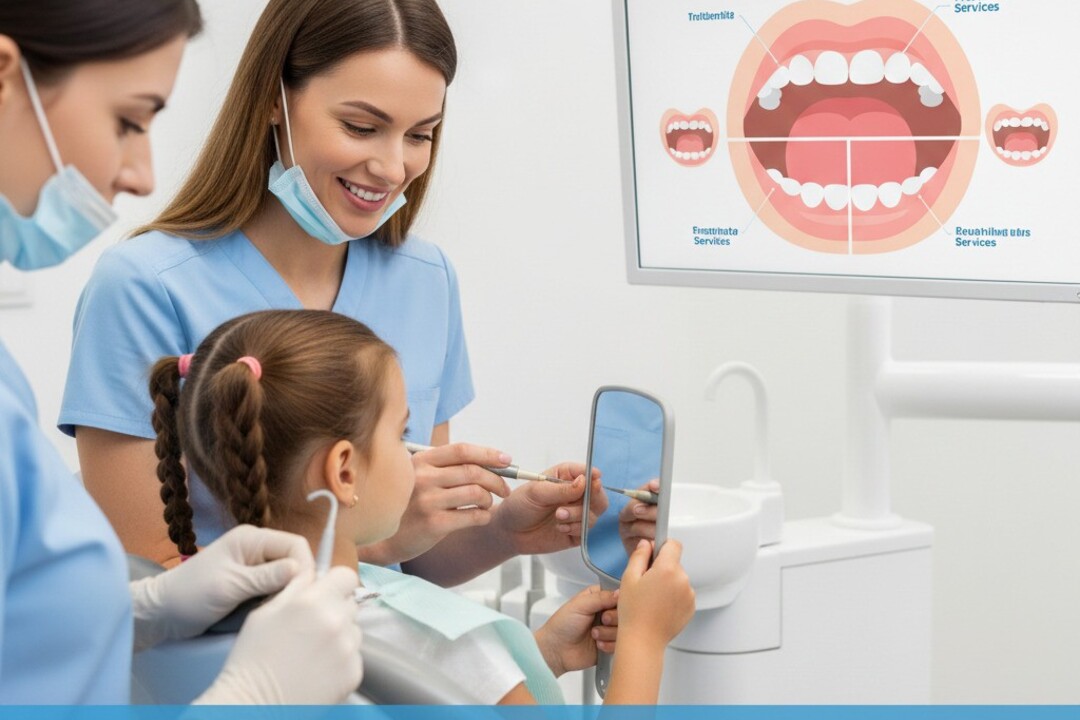
Your child’s teeth affect how they eat, speak, sleep, and feel. You want to protect that smile before problems start. Preventive dentistry does that. It guards against cavities, pain, and missing school. It also lowers stress for you. In this blog, you will learn about 4 preventive dentistry services that support children’s oral health. You will see how regular checkups, cleanings, fluoride, and sealants work together. Each one is simple. Each one builds strong, healthy teeth. A Buckeye dentist can use these services to spot trouble early and guide your family. That support helps your child feel safe in the chair and confident at home. You can use this information to ask clear questions, plan visits, and avoid emergency care. Your choices today shape your child’s comfort for years.
1. Regular Dental Checkups
Routine visits catch small problems before they cause pain. The American Dental Association advises that children see a dentist every six months for most situations.
At each visit, the dentist will:
- Check teeth, gums, and jaw growth
- Look for early signs of cavities or infection
- Review brushing, flossing, and snack habits
These visits also help your child:
- Feel calm in the chair through routine
- Learn that questions about pain or fear are welcome
- Build trust with the care team
You can prepare your child by using simple words. You can say the dentist will count teeth, clean them, and show how to care for them. You do not need to mention drills or shots if they are not planned.
2. Professional Cleanings
Home brushing is not enough on its own. A professional cleaning removes sticky plaque and hardened tartar that a toothbrush cannot reach. The Centers for Disease Control and Prevention explain that plaque bacteria lead to tooth decay when left on teeth.
During a cleaning, the dental team will:
- Scrape tartar from teeth and around the gums
- Polish teeth to smooth surfaces
- Review brushing and flossing technique with your child
Cleanings support you in three ways. They lower the risk of cavities. They reduce gum bleeding and swelling. They also give the dentist a clear view of any early damage that plaque has caused.
3. Fluoride Treatments
Fluoride is a natural mineral that strengthens tooth enamel. It makes teeth more resistant to acid from food and bacteria. When used in the right amount, it is safe for children. Many public water systems add fluoride for this reason.
In a dental office, fluoride can come as:
- Foam in a tray
- Gel painted on teeth
- Varnish brushed on with a small brush
Fluoride treatments are fast and painless. Your child might need to avoid eating or drinking for a short time afterward, depending on the product. You can ask how often your child needs fluoride. Many children benefit from it every three, six, or twelve months, based on cavity risk.
Fluoride works best when you also:
- Use a pea-sized amount of fluoride toothpaste for children older than three
- Help your child spit out excess toothpaste
- Limit sugary drinks, especially between meals
4. Dental Sealants
Sealants are thin, protective coatings placed on the chewing surfaces of back teeth. These surfaces have deep grooves that trap food. A toothbrush tip does not always reach into those grooves. Sealants cover them so bacteria cannot hide there.
The process is simple:
- The tooth is cleaned and dried
- A gentle gel prepares the surface
- The sealant is painted on as a liquid
- A light hardens it within seconds
Sealants do not hurt. They do not require numbing. Children usually adjust to the new smooth feeling within a day. Sealants can last several years, but need to be checked at each visit. The dentist can repair or replace worn spots.
How These Services Work Together
Each service has its own role. Together, they offer stronger protection. You can think of them as layers of defense that support your child at home and at school.
| Service | Main Purpose | How Often For Most Children | Key Benefit For You
|
|---|---|---|---|
| Regular checkups | Find problems early | Every 6 months | Fewer surprises and emergencies |
| Professional cleanings | Remove plaque and tartar | Every 6 months | Lower risk of cavities and gum disease |
| Fluoride treatments | Strengthen tooth enamel | Every 3 to 12 months | Extra shield for high risk teeth |
| Dental sealants | Protect deep grooves on back teeth | Once per tooth, then checked at visits | Strong drop in cavities on chewing surfaces |
How You Can Support These Services At Home
Your daily habits turn these office visits into real protection. You can focus on three steps.
- Brush two times a day with fluoride toothpaste
- Limit sugary snacks and drinks between meals
- Keep regular dental visits even when teeth look fine
You can also watch for warning signs. These include pain with hot or cold foods, bleeding gums when brushing, or bad breath that does not go away. If you see any of these, you can call your dentist and ask for an earlier visit.
Taking The Next Step
You do not need to wait for a cavity to act. You can schedule a visit and ask about these four services. You can ask which ones your child needs now, which can wait, and how your insurance or state programs cover them. Small steps today protect your child from pain, missed school, and fear tomorrow. Your steady attention gives your child a strong, confident smile that supports eating, speaking, and learning every single day.