Table of Contents
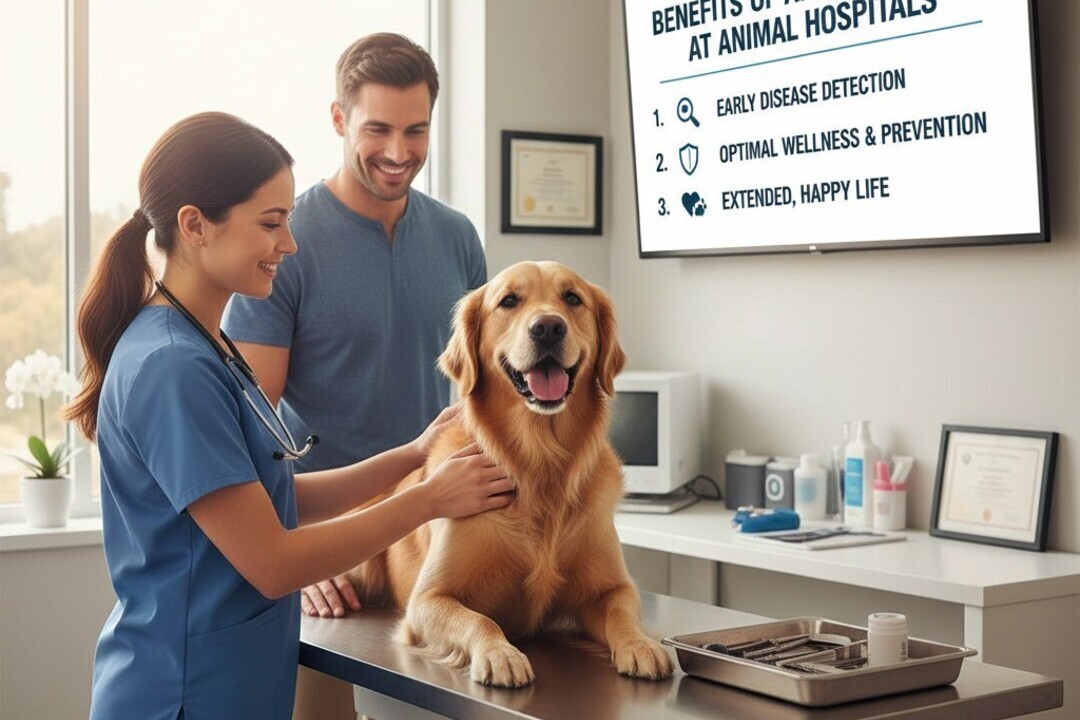
You want your pet to live a long, steady life. Annual exams at animal hospitals protect that goal. A yearly visit gives your veterinarian in North Surrey a clear view of your pet’s health. Routine checks catch silent problems before they grow. Blood work, heart and lung checks, and weight tracking show early warning signs. Regular exams also keep vaccines on schedule and parasite risks under control. Each visit builds a health record that shows patterns over time. That record guides better choices for food, exercise, and treatment. You also gain a safe space to ask hard questions about pain, behavior, and aging. Skipping yearly exams may save time now. It often leads to shock, regret, and higher costs when hidden disease finally shows. Annual exams give you knowledge, control, and peace when you care about your pet the most.
1. Annual exams catch hidden disease early
Many serious diseases start quiet. Your pet can look fine while trouble grows inside. Annual exams shine a light on those hidden threats.
- Heart disease can start with a soft murmur.
- Kidney disease can start with small changes in blood work.
- Diabetes can start with mild weight loss or more thirst.
During the exam, the veterinarian checks eyes, ears, teeth, skin, heart, lungs, belly, and joints. Simple tests give more clues. Blood tests and urine tests can show early organ strain. The American Veterinary Medical Association explains that yearly checks increase the chance of finding disease before it turns severe.
Early discovery gives you more choices. You can start treatment while your pet still feels strong. You can slow the disease and protect the quality of life. You avoid the fear that comes with a sudden crisis.
2. Routine exams protect against parasites and infections
Fleas, ticks, worms, and other parasites bring pain and sickness. They also spread infections to people. Regular exams keep these threats in check.
- Heartworm tests and prevention protect the heart and lungs.
- Fecal checks find roundworms, hookworms, and other worms.
- Skin checks spot fleas, ticks, and mites early.
The veterinarian reviews your pet’s daily life. Travel, daycare, dog parks, and wildlife all change risk. The Centers for Disease Control and Prevention stresses that parasite control protects both pets and people. A yearly visit keeps prevention current and matched to real risk.
Without steady checks, parasites can grow in silence. By the time you notice clear signs, damage may already be present. Routine exams stop that chain early.
3. Vaccines and preventive care stay on track
Vaccines protect against deadly infections. They only work well if they stay on schedule. Annual exams keep that schedule clear and safe.
During the visit, the veterinarian will
- Review past vaccines and booster dates.
- Adjust the plan based on age, health, and lifestyle.
- Update core vaccines and any needed extras.
Some pets need fewer shots as they age. Others need extra coverage due to travel or exposure to wildlife. A yearly review prevents both missed shots and unneeded ones. You get a plan that fits your pet, not a generic chart.
Preventive care also covers teeth cleaning, nutrition, weight control, and joint support. These small steps protect comfort and function. A steady plan keeps your pet strong through each life stage.
4. You gain a clear record of your pet’s health
Each annual exam adds to a story. Over time, that story becomes a powerful tool. Patterns appear that you would not see from one visit alone.
Key parts of this record include
- Weight and body condition scores.
- Blood work trends for kidneys, liver, and blood sugar.
- Heart and lung sounds over the years.
- Behavior and energy level notes.
These patterns help the veterinarian judge what is normal for your pet. A small change can stand out against years of data. That can trigger deeper checks before a problem grows.
This record also helps during emergencies. If your pet lands in urgent care, past exam notes and lab results guide quicker, safer choices.
5. Regular visits strengthen trust and reduce fear
Many pets fear the clinic. Regular gentle visits can change that. Your pet learns that not every visit ends in pain. You learn how the team handles stress and fear.
Over time, this bond brings three gains.
- Your pet feels safer with familiar voices and touches.
- You feel heard when you share worries and hard choices.
- The veterinarian understands your pet’s normal behavior and mood.
This trust matters during hard times. When a crisis hits, you already have a partner who knows your pet and your family. Hard talks about pain, aging, and the end of life become less lonely. You stand on shared history, not guesswork.
Comparison of yearly exams and “wait until sick” visits
The table below shows how yearly exams compare with waiting until your pet shows clear signs of sickness.
| Factor | With annual exams | Only when sick
|
|---|---|---|
| Chance of early disease detection | High. Many problems are found before signs appear. | Low. Disease often advances at the first visit. |
| Total medical costs over time | More small, planned costs. Fewer large shocks. | Lower at first. Often much higher after crises. |
| Pet comfort and quality of life | More steady comfort. Fewer severe flare-ups. | More pain and stress during late-stage disease. |
| Use of vaccines and parasite control | Consistent and tailored to risk. | Often late, missed, or used without review. |
| Stress during clinic visits | Lower over time. Pet knows the team. | Higher. Visits are linked to pain and fear. |
Taking the next step for your pet
If it has been more than a year since your pet’s last check, schedule an annual exam now. Bring a list of questions. Bring notes on diet, behavior, and any changes you have seen.
You cannot control every illness. You can control how early you face it and how much support your pet has. Annual exams at animal hospitals turn fear of the unknown into clear steps. That choice shows steady love, even when the news is hard.