Table of Contents
You may have noticed the small things first. Your child keeps asking for water at night, their lips look cracked, they wake up with bad breath, or they suddenly have more cavities even though you are brushing like usual. That pattern can leave you uneasy fast, because dry mouth in children does not always seem serious at first, yet it can affect comfort, sleep, eating, speech, and dental health in ways that build over time. If you are concerned, a kids dentist in Riverside, CA can help evaluate the cause and recommend the right treatment.
When a pediatric dentist evaluates chronic dry mouth, the goal is not just to ease the dryness for a day or two. The bigger concern is why it keeps happening and what it is doing to the teeth, gums, tongue, and daily life. A child who does not make enough saliva loses one of the mouth’s main defenses against decay, irritation, and infection. That is why what pediatric dentists consider when a child has chronic dry mouth goes far beyond “drink more water.”
Chronic dry mouth in children affects more than comfort
Saliva keeps the mouth balanced. It helps wash away food, lowers acid, supports digestion, and protects enamel. When saliva stays low, the mouth gets sticky, sore, and more likely to develop plaque buildup and cavities. The National Institute of Dental and Craniofacial Research explains the basics of dry mouth and its causes, and that overview matters for parents because persistent dryness often has more than one trigger.
A pediatric dental specialist will usually look at the whole picture. Mouth breathing is a common factor, especially in children with allergies, enlarged tonsils, or chronic congestion. Some medications can reduce saliva. ADHD medications, antihistamines, and certain asthma treatments can play a role. Dehydration matters too, especially in active kids who sweat a lot or do not drink enough during school. In some cases, the dentist also considers medical conditions, sleep issues, diet, anxiety, and habits like frequent sipping of sugary drinks.
The stress for parents is that chronic dryness can hide in plain sight. A child may not say, “My mouth feels dry.” They may say food feels hard to swallow, their tongue burns, toothpaste stings, or their mouth “feels weird.” They may start avoiding crunchy foods, wake often at night, or complain that their throat hurts in the morning. If this has been going on for a while, you are not overreacting by taking it seriously.
Pediatric dentists look for causes, damage, and patterns
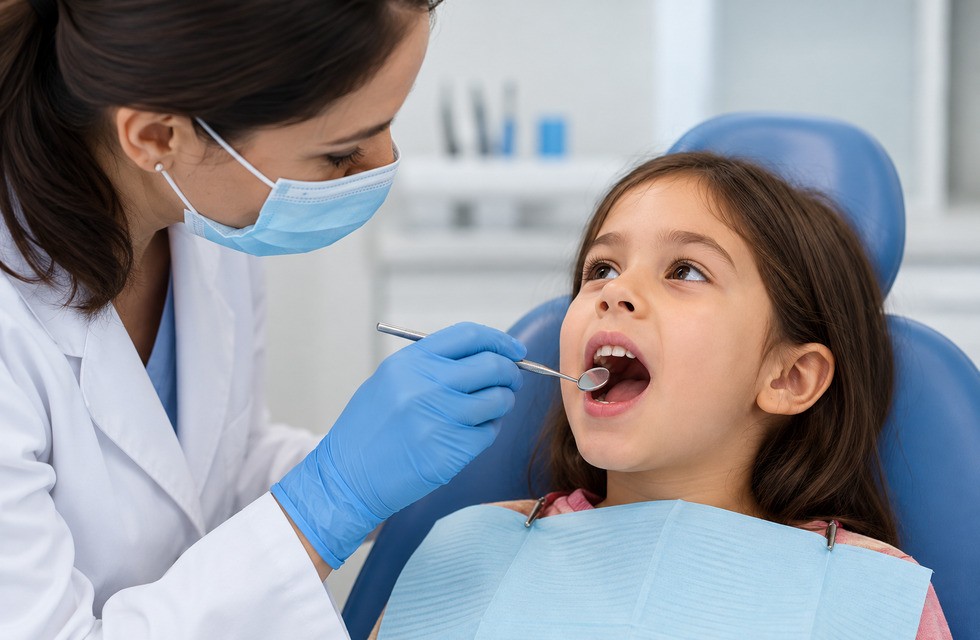
During an exam, a children’s dry mouth dentist is usually watching for signs that parents may not catch at home. The lips may be dry, the tongue may look red or coated, the saliva may appear thick or stringy, and the gums may seem irritated. The dentist also checks for enamel changes, plaque accumulation near the gumline, early decay, and cavities in places that tend to worsen when the mouth stays dry.
Pattern matters. If dryness is worse at night, mouth breathing or airway issues may be part of the story. If it began after a new prescription, medication side effects may be involved. If the child drinks sports drinks, juice, or soda often because the mouth feels dry, that can create a cycle where acid and sugar add even more risk. A pediatric dentist may also ask about snoring, nasal blockage, frequent illness, and how often your child needs water during meals.
This is where families often feel frustrated. You can do many things right and still end up with repeat cavities if saliva is low. That does not mean home care failed. It means the mouth’s natural protection is weaker, so prevention has to be adjusted.
Professional care and home care work best together
Good daily habits still matter, but chronic dry mouth usually needs a more tailored plan. A pediatric dentist may recommend more frequent checkups, fluoride support, diet changes, and a review of habits that keep the mouth dry or acidic. The goal is to reduce damage before it turns into pain, fillings, or infection. The NIDCR also offers practical guidance on oral hygiene basics that becomes even more important when saliva is low.
| Concern | Home Observation | What a Pediatric Dentist Evaluates |
|---|---|---|
| Dryness timing | Mostly at night or after school | Mouth breathing, dehydration, medication schedule |
| Changes in teeth | Sensitivity or new spots | Early enamel damage, cavity risk, fluoride needs |
| Eating and speech | Trouble swallowing dry foods, sticky speech | Saliva flow, tissue irritation, oral discomfort |
| Breath and mouth feel | Bad breath, sticky feeling, cracked lips | Bacterial buildup, gum irritation, infection signs |
| Overall health patterns | Snoring, allergies, new medicine, frequent thirst | Need for medical follow-up or coordinated care |
For younger children, the dentist also considers whether they can describe symptoms accurately. Many cannot. That is why behavior changes often tell the story first. The NIDCR page for children’s oral health reinforces how closely everyday habits and oral health are tied together, especially when a child already has a risk factor like low saliva.
Steps you can take right away when a child has ongoing dry mouth
Track the pattern for one week. Write down when the dryness shows up, what your child is eating and drinking, whether they snore or sleep with an open mouth, and any medications they take. That short record can help a pediatric dental specialist spot causes much faster.
Cut the drinks that make the cycle worse. Juice, soda, sports drinks, and frequent sweet sipping can feel soothing for a minute, then raise cavity risk fast. Offer water often, especially after school, after sports, and before bed. If your child needs flavor, ask the dentist what is safest for their enamel.
Book a pediatric dentist visit before cavities become the first clue. A child with chronic dryness may need a prevention plan that looks different from the standard six month routine. That can include fluoride treatments, product changes, and referrals if airway or medical issues seem likely.
Early attention can protect your child’s comfort and teeth
Chronic dry mouth can sound minor until you see what it does over months. Sore tissues, poor sleep, hard swallowing, bad breath, and repeat decay wear on a child and on you. The good news is that dry mouth in children can often be managed well once the cause and risk level are clear. A skilled pediatric dentist looks at symptoms, habits, health history, and the condition of the mouth together, then builds a plan that fits your child instead of handing you generic advice.
If your child has ongoing dry mouth, do not wait for pain to confirm that something is wrong. Schedule an evaluation with a pediatric dentist and get a clear plan for relief, protection, and next steps.