Table of Contents
You can fix a chipped tooth, smooth out a rough edge, or close a small gap with bonding, and for a while everything feels easier. Then the bonded tooth starts catching when you chew, looking worn, or chipping again far sooner than you expected. That is frustrating, especially when you took care of it and thought the repair would last much longer. If you are exploring cosmetic and restorative dentistry in Castroville, TX, it may help to understand why bonding sometimes fails sooner than expected and what can be done to make it last.
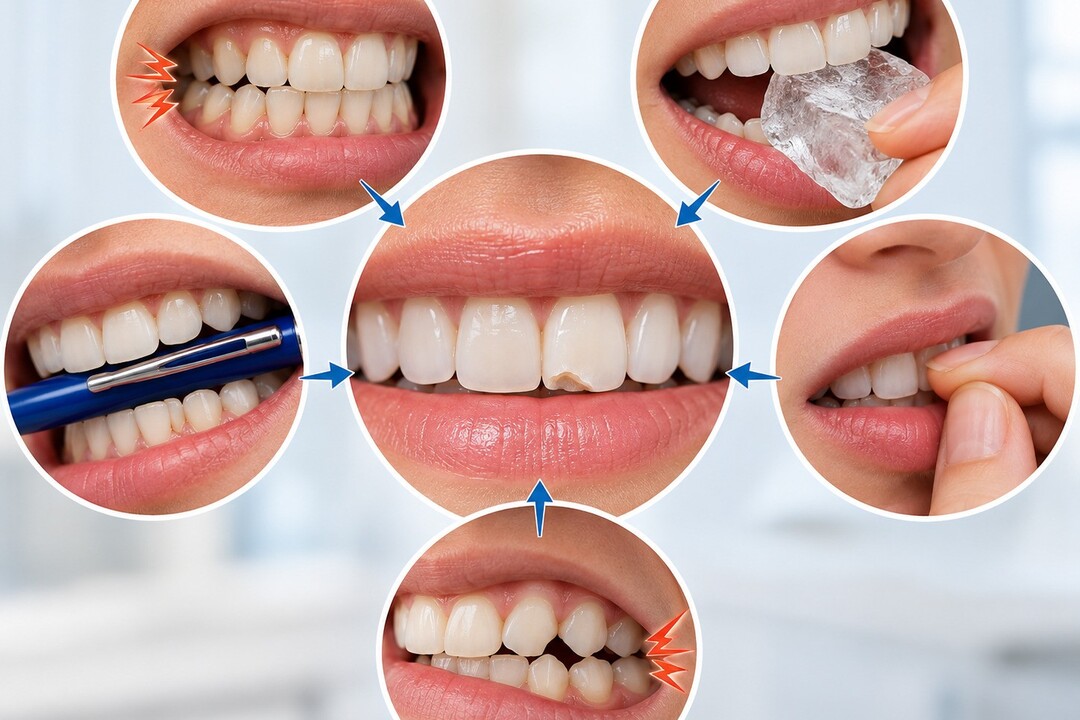
Cosmetic bonding can hold up well, but your bite has a lot to do with that outcome. If your teeth do not come together evenly, the bonding often takes more force than it should. That stress adds up during meals, while you sleep, and during those moments when you clench without even noticing. 5 Bite Problems That Can Shorten The Lifespan Of Cosmetic Dental Bonding comes down to one simple truth. The material is durable, but it is not stronger than the pressure patterns in your mouth.
Bite pressure can wear down cosmetic dental bonding faster than expected
Bonding is a tooth colored resin shaped and polished to blend with your natural tooth. It works well for small repairs and cosmetic changes, but it is more vulnerable than natural enamel or materials like porcelain. A balanced bite helps protect it. A bite that is off can break it down early.
This is where many people get caught off guard. The bonding itself may not be the real problem. The underlying issue may be how your upper and lower teeth hit each other every day. A dental bonding lifespan often depends on whether your bite spreads force evenly or keeps slamming one small area over and over.
Teeth grinding can crack or chip bonded teeth
Grinding, also called bruxism, puts repeated pressure on the edges of your teeth. If bonding sits on a front tooth or biting edge, that pressure can chip the resin, flatten its polish, or loosen the bond between the resin and the tooth. You may wake up with sore jaw muscles, a dull headache, or teeth that feel tender. Many people do not realize they grind until the damage shows up.
The National Institute of Dental and Craniofacial Research explains that bruxism can happen during sleep or while awake, and both forms can harm teeth and dental work. If your bonding keeps failing in the same spot, grinding may be driving it.
An uneven bite can overload one bonded tooth
Sometimes one tooth hits first when you close your mouth. It may not seem like much, but that early contact can turn a routine bite into a constant impact point. Bonding on that tooth may start to feel rough, thin, or unstable because it is carrying more than its share of the work.
You might notice this after a filling, crown, orthodontic movement, or even natural wear over time. The change can be subtle. Food starts feeling awkward on one side, or the tooth feels “high.” That small imbalance can shorten the life of cosmetic tooth bonding much faster than most people expect.
Deep overbite can place extra force on front tooth bonding
A deep overbite means the upper front teeth cover too much of the lower front teeth. When that happens, the lower teeth may strike the back of the upper bonded teeth again and again. Front tooth bonding in this setup often chips at the edges or wears down quickly.
This matters because front teeth are where bonding is often used for cosmetic improvements. The result may look great at first, then start showing damage from normal daily use because the bite keeps pushing the lower teeth into the bonded area.
Crossbite and edge to edge contact can stress bonding during chewing
Teeth are designed to meet in specific ways. In a crossbite, some upper teeth sit inside the lower teeth instead of outside them. In an edge to edge bite, the front teeth meet tip to tip. Both patterns can create more friction and direct impact on bonded surfaces.
That can mean small chips after biting into firm foods, rough spots that keep returning, or staining where the polished surface has been worn down. If bonding is being used to improve shape or symmetry, these bite patterns can undo that work sooner than expected.
Jaw joint problems can create unstable bite patterns
If your jaw does not close the same way every time, your bite force is not stable either. Jaw joint issues can shift where your teeth contact, and that inconsistency is hard on bonding. One day the pressure lands in one place, the next day somewhere else. Resin does not respond well to that kind of repeated unpredictability.
The NIDCR notes that temporomandibular disorders can affect the jaw joints and muscles, often causing pain, clicking, or trouble chewing. A broader clinical overview from the NCBI also describes how TMD can influence bite function and muscle strain. If your bonded teeth keep breaking and your jaw also feels tired or sore, those two problems may be connected.
Common bite problems and how they affect bonding
| Bite Problem | What You May Notice | How It Affects Bonding |
|---|---|---|
| Teeth grinding | Morning jaw soreness, flattened teeth, headaches | Chips, cracks, polish wear, bond failure |
| Uneven bite contact | One tooth feels high, chewing feels off | Overloads one bonded tooth and shortens durability |
| Deep overbite | Front teeth hit hard, lower teeth contact upper backs | Front edge chipping and faster wear |
| Crossbite or edge to edge bite | Awkward chewing, repeated small chips | Higher friction and direct impact on resin |
| Jaw joint instability | Clicking, pain, shifting bite | Inconsistent pressure patterns that weaken bonding |
Practical steps can protect your dental bonding treatment
Pay attention to repeat failures. If the same bonded tooth chips more than once, do not assume you just ate the wrong food. Repeated damage often points to bite stress. Tell your family and cosmetic dentist exactly when it happens, whether it is during sleep, while chewing, or after jaw soreness.
Ask for a bite evaluation, not just a repair. Replacing broken resin without checking how your teeth meet can keep the cycle going. A careful bite check may include contact mapping, wear pattern review, and an exam of your jaw muscles and joints. That is often the difference between a short term patch and a repair that lasts.
Protect the bonding from excess force. If you grind at night, a custom night guard may help reduce pressure on bonded teeth. If your bite pattern is the bigger issue, your dentist may recommend selective adjustment, orthodontic correction, or a different restorative material in high stress areas. Bonding is useful, but it works best when the forces around it are under control.
When bonding fails early, it is easy to blame the material. Often the real issue is the bite underneath it. A skilled family and cosmetic dentist can look beyond the chip or crack and figure out why it keeps happening, which gives your next repair a much better chance to hold up.
If your bonded tooth keeps chipping, wearing down, or feeling off when you bite, schedule an evaluation with a family and cosmetic dentist and ask for a full bite assessment along with the repair.