Table of Contents
You expected the space from an extraction to stay put, at least long enough for the next step in treatment. Then one tooth started leaning, another shifted forward, and your bite began to feel off. That kind of movement can feel small at first, then suddenly hard to ignore when food catches differently or your teeth stop fitting together the way they used to. Redlands orthodontic care can help address these shifting changes before they become harder to manage.
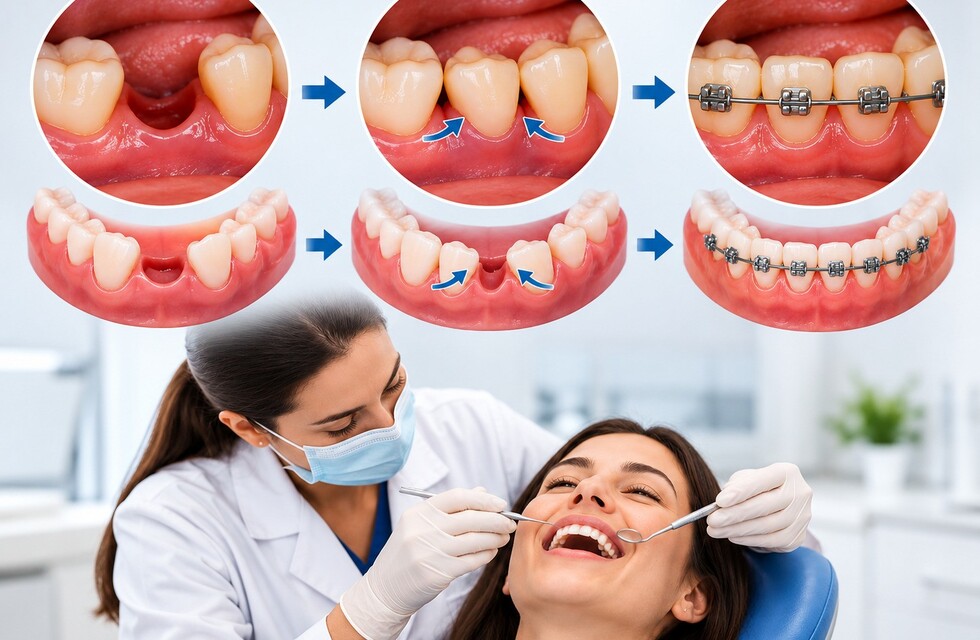
Teeth rarely stay frozen after one is removed. The bone and gum around the area begin to remodel, and nearby teeth can tip, rotate, or slide into the open space. Opposing teeth may also move because they no longer meet resistance. How orthodontists manage teeth that drift after an extraction comes down to timing, space control, and a plan that fits your bite, not just the gap you can see.
Teeth drift after extraction because the bite loses balance
When a tooth is removed, the mouth starts adapting right away. Adjacent teeth can shift into the empty space, and the tooth above or below may erupt more than it should because it no longer has contact. This is not random movement. It is the bite responding to a change in pressure and support.
That is why orthodontic treatment for drifting teeth often focuses on more than straightening one crooked tooth. If a back molar tips forward after an extraction, it can trap food, make cleaning harder, and create gum problems. A tilted tooth can also reduce the space needed for an implant, bridge, or future orthodontic movement. Research on post extraction changes and space management shows that untreated drifting can complicate later care, especially when the movement affects bone levels and contact points. You can see that pattern in this clinical reference on tooth movement and oral changes.
You may be thinking, it was only one missing tooth, how did it turn into a bite problem? That reaction makes sense. Teeth work as a system. A single space can change the way chewing forces travel across the arch, and the longer the shift continues, the less simple the fix tends to be.
Orthodontists correct post extraction tooth movement with controlled force
The first step is figuring out what kind of drifting happened. Sometimes the issue is mild spacing and rotation. Sometimes a molar has tipped enough to change the bite or block a replacement tooth. An orthodontist checks the angle of the roots, the health of the gums, the bone support, and whether the space should be reopened, closed, or held in place.
Braces are often used when the movement is larger or when root position matters. Clear aligners may work for lighter corrections, though they are not always the best tool for heavily tipped teeth. In some cases, a simple retainer or space maintainer is enough if the goal is to stop further movement rather than undo major drift.
For adults, the plan often has to account for missing tooth replacement. If you want an implant, the orthodontist may need to upright neighboring teeth and reopen the exact amount of space first. If the bite works better with space closure, the teeth may be moved together instead. Current evidence on extraction related tooth movement and interdisciplinary planning supports this kind of case by case approach, especially when orthodontics and restorative care overlap. This review of orthodontic space management and outcomes outlines why precision matters.
Managing shifting teeth after tooth removal is also about timing. If you wait too long, the tooth can settle into a new position, the space can narrow, and gum or bone changes can make treatment longer. That does not mean you missed your chance. It means the plan may need more steps.
Professional care prevents the extra problems drifting teeth can create
It is tempting to ignore a drifting tooth if it is not painful. The trouble is that movement often affects cleaning, chewing, and long term stability before it causes obvious pain. A tilted molar can create a pocket that holds plaque. A narrowed space can rule out an implant without additional treatment. A changed bite can strain the jaw or wear certain teeth faster.
There is also the cosmetic side, which matters more than people like to admit. If an extraction was in a visible area, even slight shifting can change your smile line and make you self conscious in photos or conversation. That is not vanity. It is part of daily life.
Recent literature on post extraction changes also notes that bone loss in an unused space can affect future options, especially if replacement is delayed. This open access article on extraction sites, bone changes, and follow up care helps explain why early evaluation is often worth it.
Common ways orthodontists manage drifting teeth after extraction
| Approach | Best for | Main benefit | Main limitation |
|---|---|---|---|
| Retainer or space maintainer | Recent extraction with minimal movement | Holds space and limits further drifting | Does not correct major tipping or rotation |
| Clear aligners | Mild to moderate spacing or rotation | Removable and discreet | Less effective for severe root control in some cases |
| Braces | Moderate to severe drifting, tipped molars, bite changes | Precise tooth and root movement | More visible and may require longer treatment |
| Orthodontics before implant or bridge | Space needs to be reopened or aligned for restoration | Improves fit and long term function | Adds time before final tooth replacement |
Professional organizations have also discussed how missing teeth affect spacing, function, and later treatment choices. This ADA related publication on missing teeth and treatment planning gives useful context for why early management can protect future options.
Three steps you can take right away
Get the space evaluated early. If you notice tipping, new spacing, or a bite that feels different after an extraction, book an orthodontic exam. A small shift is easier to manage than a settled bite change.
Bring your full dental history. Tell the orthodontist when the extraction happened, why the tooth was removed, and whether you were told to plan for an implant, bridge, or space closure. That changes the treatment goal.
Ask what the end point is. You need to know whether the plan is meant to hold space, reopen space, or close it. That one answer makes the rest of the treatment make sense and helps you avoid paying for care that does not support the final result.
If your teeth have started moving after an extraction, you are not overreacting by paying attention to it. Teeth do drift, bites do change, and early orthodontic care can keep a manageable problem from turning into a longer one. An orthodontist can map out whether your best next step is holding space, straightening shifted teeth, or preparing for a replacement tooth so your bite feels stable again.