Table of Contents
You notice the little things first. A bite that looks off in school pictures. Baby teeth that seem to linger too long. Crowded front teeth coming in at odd angles. Then the questions start. Is this normal, should you wait, or is it time to see an orthodontist? That uncertainty wears on parents because orthodontic care feels like a bigger step, with more cost, more appointments, and more decisions. Even while researching options like comfortable dental implant treatment in South Barrie, many families are still trying to understand the right timing for orthodontic care.
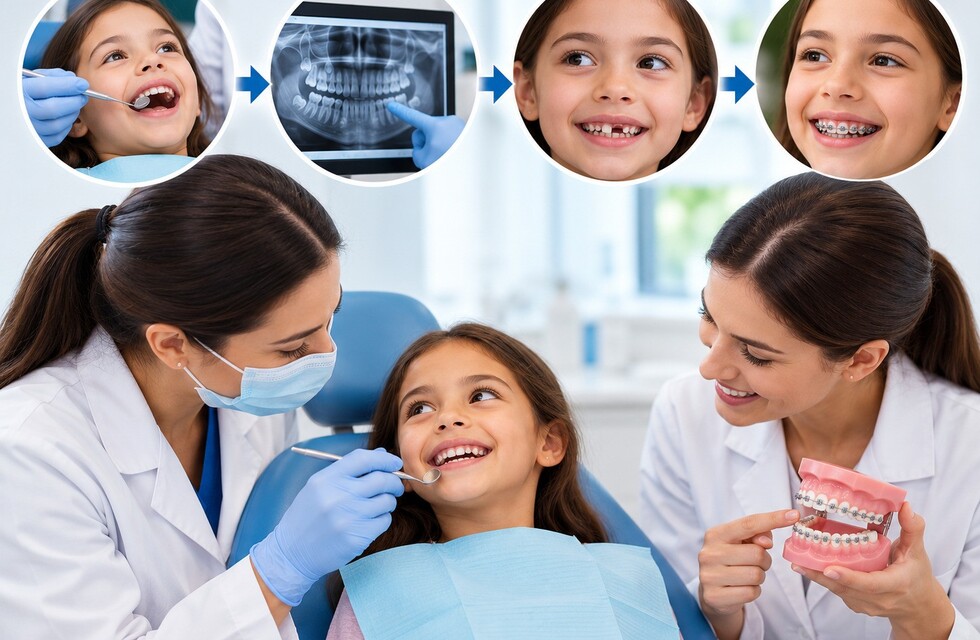
A family dentist often makes that step easier. Regular checkups create a record of how your child’s teeth, jaws, and bite are changing over time, which means problems are less likely to surprise you. Instead of going from “everything seems fine” to “your child needs braces right away,” you get a clearer path. How family dentistry helps children transition into orthodontic care comes down to timing, trust, and steady guidance.
Family dentistry creates a smoother path to orthodontic treatment
Children do better with orthodontic care when they are not walking into an unfamiliar process cold. A family dentist already knows your child’s dental history, habits, comfort level, and growth pattern. That matters when a child is nervous, resistant to X-rays, or embarrassed about how their teeth look.
Routine dental visits also catch patterns early. Thumb sucking, mouth breathing, crossbites, crowding, and spacing issues often show up before a child is ready for braces. The American Academy of Pediatric Dentistry outlines the value of monitoring developing dentition and occlusion in children, because growth guidance and referral timing can change the course of treatment.
That early view helps in practical ways. If your child has untreated cavities, weak brushing habits, or inflamed gums, starting orthodontic treatment too soon can make everything harder. Braces and aligners demand consistency. A family dentist can stabilize oral health first, teach better home care, and prepare your child for the extra responsibility that comes with orthodontics.
Early dental monitoring reduces stress for parents and children
Most parents are not looking for more appointments. They want fewer surprises and fewer expensive problems. Family dental care supports that by watching development over time instead of reacting only when a problem becomes obvious.
If a child has crowding, for example, the issue is not just cosmetic. Teeth that overlap can be harder to clean, which raises the risk of decay and gum irritation. If a child’s bite is off, chewing can feel awkward, speech may be affected, and some teeth may wear unevenly. The broader picture of oral health in the United States, summarized by the National Institute of Dental and Craniofacial Research in its Oral Health in America section summary, shows how oral conditions connect to comfort, function, and overall well-being.
There is also the emotional side. Some children shut down when they hear words like braces, expander, or extraction. A trusted dental home softens that fear. Your child hears consistent messages from familiar professionals, and you get time to absorb options before making a decision. That is one of the quiet strengths of children’s dental care and orthodontic planning. It gives families room to prepare.
Family dentists help identify the right timing for orthodontic referrals
Orthodontic care is not one-size-fits-all. Some children need early intervention. Many simply need observation until the right stage of growth. A family dentist helps sort out that difference, which can prevent both delay and overtreatment.
You may hear that a child should see an orthodontist by age 7, and that guidance has value. It does not mean every 7-year-old needs braces. It means mixed dentition, with baby teeth and adult teeth present at the same time, can reveal developing problems that are easier to manage when caught early. A family dentist can explain whether your child needs referral now, later, or just continued monitoring.
Access to routine dental care also supports better follow-through. Recent federal reporting on increased dental visits and support for pediatric oral health providers points to a simple truth. When children are seen regularly, providers have more chances to identify concerns, coach families, and keep care moving in the right direction.
Monitoring versus waiting too long
| Approach | What It Looks Like | Likely Benefit | Common Risk |
|---|---|---|---|
| Regular family dental monitoring | Checkups every six months with growth, bite, and spacing reviewed over time | Early referral if needed, better oral hygiene before braces, fewer surprises | Requires consistency with routine visits |
| Waiting until teeth look clearly crooked | No focused tracking of bite changes until a visible problem appears | Fewer short-term appointments | Missed window for early guidance, more complex treatment later |
| Starting orthodontics without dental preparation | Moving forward before addressing cavities or gum issues | Faster start to treatment | Higher chance of hygiene problems, discomfort, and treatment setbacks |
This is where orthodontic transition support matters. The goal is not to rush your child into treatment. The goal is to make sure their mouth is healthy, their habits are strong, and the timing makes sense.
Simple steps parents can take right now
Track the signs you are seeing. Write down changes in spacing, crowding, jaw shifting, mouth breathing, thumb sucking, or complaints about chewing. Photos from a few months apart can help you notice changes you might otherwise miss.
Ask your family dentist specific questions. Bring up bite changes during the next visit and ask whether your child’s growth pattern suggests monitoring or referral. Ask if oral hygiene, enamel strength, or gum health need attention before orthodontic treatment begins.
Prepare your child for more responsibility. Braces and aligners work best when children can brush carefully, follow instructions, and tolerate regular visits. Start building those habits now with steady routines at home and calm conversations about what treatment may involve.
Steady dental care makes orthodontic decisions less overwhelming
You do not need to figure out orthodontic timing on your own, and you do not need to wait until a concern turns into a bigger problem. A family dentist helps connect the dots, protect your child’s oral health, and make the move into orthodontic care feel more manageable. When that transition is guided well, your child is more prepared and you are less likely to feel blindsided by the process.
If your child’s teeth or bite seem to be changing, schedule a visit with a family dentist and ask for an orthodontic evaluation plan that fits your child’s stage of growth.