Table of Contents
You notice a little cold sensitivity, a spot of blood when you floss, or a rough edge on a tooth and tell yourself you will deal with it later. That is how many dental problems begin. They do not always arrive with sharp pain or obvious swelling. They start small, easy to ignore, and then turn into the kind of problem that affects how you eat, sleep, speak, and budget, which is why seeing a dentist in Willoughby Hills, OH early can make all the difference.
The hard part is that small mouth issues often feel harmless until they are not. A tiny cavity can deepen. Mild gum irritation can turn into bone loss. A habit like grinding your teeth at night can wear them down for years before you fully see the damage. Small dental problems tend to grow quietly, which is why routine care with a general dentist matters more than many people realize.
Small cavities can turn into painful tooth decay
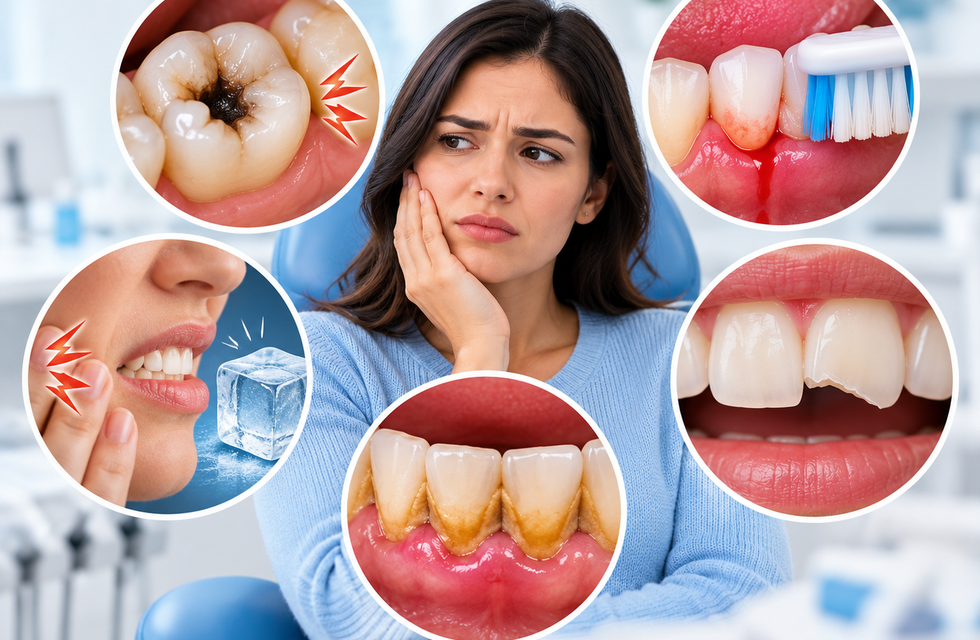
A cavity does not need to hurt right away. Early decay may look like a white spot or a small dark area, and you may not feel anything at all. That silence is what makes it risky. Once decay breaks through the enamel and moves deeper into the tooth, the repair gets larger, the cost often climbs, and the chance of needing a root canal rises.
If you have ever put off a filling because the tooth “wasn’t that bad,” you are not alone. The problem is that cavities do not heal on their own. According to the CDC’s overview of cavities and tooth decay, untreated decay can lead to pain, infection, and tooth loss. What starts as a quick filling can become a cracked tooth, an abscess, or an emergency visit.
Bleeding gums can become gum disease and tooth loss
Many people see blood in the sink after brushing and assume they brushed too hard. Sometimes that is true, but bleeding gums are often one of the first signs of inflammation. Gums that are red, puffy, tender, or pulling away from the teeth usually need attention. If the irritation continues, plaque and bacteria can move below the gumline, where they trigger deeper damage.
Minor oral health issues often include early gum disease because it can seem easy to dismiss. The bigger concern is what comes next. The National Institute of Dental and Craniofacial Research explains gum disease as an infection that can damage the soft tissue and bone supporting your teeth. That means a problem that began with mild bleeding can eventually lead to loose teeth, bad breath that does not go away, and tooth loss.
Small chips and cracks can weaken the whole tooth
A chipped tooth after biting ice or a faint crack from clenching may not seem urgent if it does not hurt. The trouble is that a damaged tooth is less stable. Pressure from chewing can make the crack spread. Bacteria can enter through that opening and reach the inner pulp. A tooth that once only needed smoothing or bonding may later need a crown or extraction.
This gets harder when the crack is hard to see. You might only notice pain when biting down, sensitivity to heat, or a strange roughness with your tongue. Those subtle signs are often your warning that the damage is already affecting the tooth more than you think.
Dry mouth can raise your risk for decay and infection
Dry mouth sounds minor until you live with it. Food sticks more easily. Your mouth feels tacky. Speaking for long periods gets uncomfortable. Saliva does more than keep you comfortable. It helps wash away food particles, balance acids, and protect teeth from decay. When saliva drops, your risk of cavities and gum problems rises.
This is common in adults who take certain medications, breathe through their mouth at night, or deal with stress. If your mouth feels dry all the time, you may already be more prone to decay around the gumline, where cavities can progress fast and be harder to manage.
Teeth grinding can wear down enamel before you notice it
Grinding and clenching often happen during sleep, so many people do not know they do it. The clues can be easy to miss at first. Morning jaw soreness. Headaches. Teeth that look flatter or feel sensitive. Over time, this pressure wears down enamel, strains the jaw joint, and can even crack fillings and natural teeth.
By the time the damage is visible, the repair may involve more than one tooth. Night guards, bite adjustments, and monitoring can help early. Waiting usually means more wear, more discomfort, and more restoration work later.
Early dental care is usually simpler and less expensive
There is a reason dentists push regular checkups and cleanings. Catching problems early often means simpler treatment, less discomfort, and fewer surprises. The CDC’s oral health tips for adults point to daily brushing, flossing, smart diet choices, and regular dental visits as the foundation of prevention. That routine may feel easy to postpone when life is busy, but prevention is usually far easier than repair.
| Small Issue | What It May Feel Like at First | What Can Happen If Ignored | Common Early Treatment |
|---|---|---|---|
| Early cavity | Mild sensitivity or no symptoms | Deep decay, infection, root canal, tooth loss | Small filling |
| Bleeding gums | Blood when brushing or flossing | Periodontal disease, bone loss, loose teeth | Professional cleaning and home care changes |
| Minor chip or crack | Rough edge or pain when biting | Larger fracture, nerve damage, crown or extraction | Bonding or monitoring |
| Dry mouth | Sticky feeling, bad breath, thirst | Rapid decay, gum irritation, mouth sores | Cause review and protective care plan |
| Teeth grinding | Jaw tension, headaches, worn edges | Enamel loss, cracks, TMJ pain | Night guard and bite evaluation |
Three steps you can take right away
Pay attention to small changes. Sensitivity, bleeding, dry mouth, rough spots, jaw soreness, and bad breath that lingers are all worth noticing. You do not need severe pain for a problem to be real.
Stop guessing and get an exam. A general dentist can often spot trouble before it becomes expensive or painful. X rays, a gum exam, and a close look at worn or cracked teeth can answer what your symptoms actually mean.
Tighten up your daily routine. Brush twice a day with fluoride toothpaste, floss once a day, drink water, and cut back on frequent sugary snacks and drinks. If you grind your teeth or wake with jaw pain, mention it at your next visit instead of waiting for a tooth to break.
Small dental issues rarely stay small forever
If you have been putting off care because the problem seems manageable, that reaction makes sense. Dental issues often start quietly, and life gives you plenty of reasons to wait. Still, the safest move is to address these early dental problems before they turn into pain, infection, or major repair. A small fix today is often what protects your time, comfort, and money tomorrow.