Table of Contents
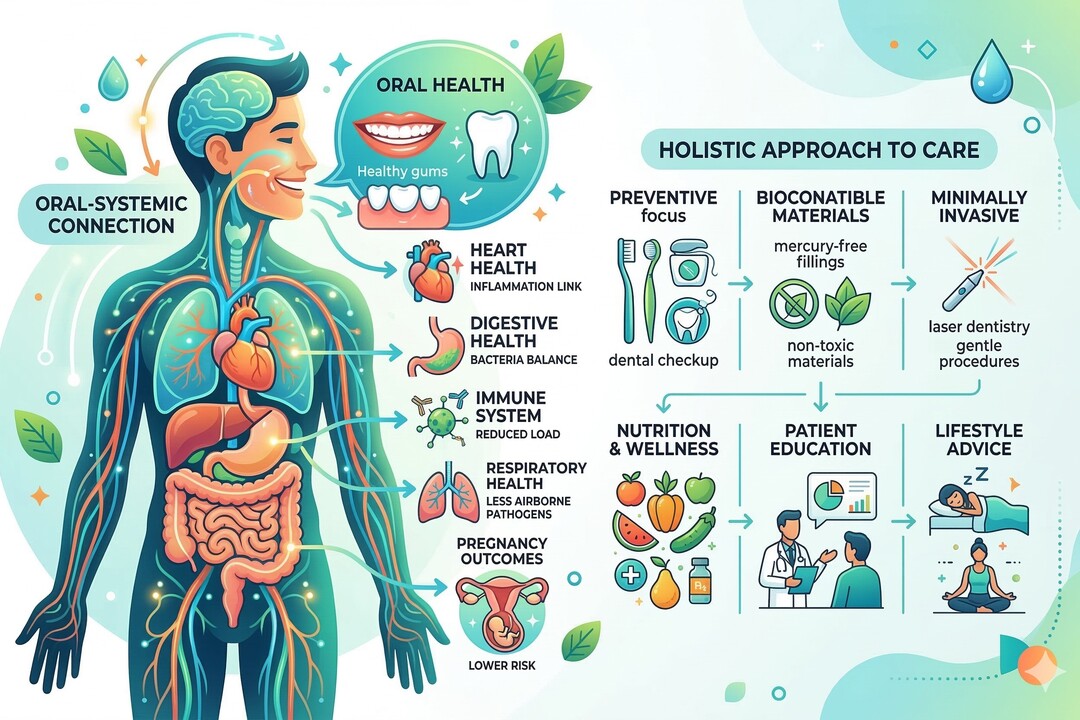
Your mouth is not separate from the rest of your body. It is a clear warning system. Bleeding gums, loose teeth, and chronic bad breath often point to deeper problems. These problems can include heart disease, diabetes, and chronic inflammation. A Hopkins dentist who practices holistic dentistry looks at these links. You are not just a set of teeth. You are a whole person with a story, stress, habits, and fears. Traditional care often treats pain and decay. It stops there. Holistic care asks why the problem started. It also asks how treatment will affect your entire body. This approach respects your concerns about materials, long-term effects, and hidden risk. It connects what you feel in your mouth with what you feel in your joints, gut, and mind. When you understand this connection, you can make sharper choices about your care.
How your mouth and body affect each other
Your gums and teeth sit close to your blood supply. When you have an infection in your mouth, bacteria and toxins can enter your blood. They can then reach your heart, brain, lungs, and other organs.
- Heart disease
- Stroke
- Diabetes
- Pregnancy problems
- Chronic lung problems
At the same time, body problems can show up first in your mouth. Diabetes can slow healing and raise your risk of gum infection. Acid reflux can erode your teeth. Sleep apnea can show in tooth wear from grinding and in a narrow jaw.
Holistic dentistry pays close attention to these two-way links. It treats your mouth as part of your full health story.
Key differences between traditional and holistic dentistry
Both types of care want to stop pain and protect teeth. Yet they use different questions and tools. The table below shows common differences.
| Topic | Traditional focus | Holistic focus
|
|---|---|---|
| Main goal | Fix tooth or gum problem | Protect the whole body while fixing the problem |
| View of symptoms | Local issue in one tooth or area | Signal of deeper body stress or imbalance |
| Materials | Standard approved materials | Materials chosen to lower metal and chemical burden |
| Treatment planning | Tooth by tooth | Whole mouth, medical history, and lifestyle |
| Prevention | Brushing, flossing, cleanings | Home care plus diet, sleep, stress, and breathing |
| Chronic illness | Managed by medical team only | Dental plan adjusted to support medical care |
What science says about oral health and disease
You deserve clear facts, not fear. Studies from the National Institute of Dental and Craniofacial Research show that untreated gum disease raises body-wide inflammation. This can strain your heart and blood vessels. It can also make blood sugar harder to control.
Here is what research has found:
- People with gum disease have a higher risk of heart disease and stroke.
- People with diabetes often have more severe gum problems.
- Treating gum disease can improve blood sugar control in some patients.
- Pregnant people with poor oral health have a higher risk of early birth and low birth weight.
Holistic dentistry uses this science during every visit. It treats your cleaning or filling as a chance to lower your overall disease risk.
How a holistic dentist looks at your first visit
Your first visit often feels different. You can expect three main steps.
First, your dentist asks about more than teeth. You talk about:
- Current diagnoses such as heart disease, diabetes, or autoimmune problems
- Medications and supplements
- Sleep quality and snoring
- Stress level and mood
- Food patterns and cravings
Next, your exam looks at how your mouth works as a system. Your dentist may check:
- Gum pockets and bleeding
- Signs of clenching or grinding
- Tongue position and airway space
- Old metal fillings or crowns
- Mouth pH and dryness
Finally, your dentist builds a plan that fits your health story. The plan often includes step-by-step care, not a rushed list of procedures.
Safer materials and methods
Many families worry about what goes into their bodies during care. Holistic dentists listen to these concerns. They often choose:
- BPA free, mercury-free filling materials when possible
- Local anesthesia options that fit your health history
- Gentle cleaning methods to protect thin enamel
- Extra steps to control metal dust during removal
This approach aims to reduce the toxic load on your body. It also respects allergies and chemical sensitivities.
The role of food, stress, and sleep
Your daily habits shape your oral health more than any single procedure. Holistic dentistry treats home life as part of your care plan.
Food choices affect:
- Cavity risk from sugar and simple starch
- Gum strength from vitamins C and D
- Jaw growth in children from chewing whole foods
Stress affects:
- Grinding and clenching
- Mouth breathing
- Inflammation that worsens gum disease
Sleep affects:
- Risk of sleep apnea and snoring
- Nighttime dry mouth
- Healing after dental work
Your dentist may coach you on simple changes. These can include more water, fewer sugary drinks, and stress relief tools that protect your jaw.
What this means for your family
For parents, this approach can protect children early. Holistic care watches for mouth breathing, tongue ties, and narrow jaws. These problems can affect sleep, focus, and facial growth. Early help can prevent years of struggle.
For adults, it offers a chance to link long-standing symptoms. You may notice that bleeding gums ease as your blood sugar improves. You may find that better sleep lowers both jaw pain and morning headaches.
For older adults, it supports safe care when you take many medications. Dry mouth, swallowing trouble, and weak grip can all affect brushing. A holistic dentist helps you adjust tools and routines so you can keep your teeth longer.
Taking your next step
You do not need to choose between comfort and safety. You can ask for both. Start by sharing your full health story during your next visit. Ask how your mouth might connect to your current diagnoses and medications. Then ask how each recommended treatment supports your whole body.
When your dental team treats you as a whole person, fear often softens. You feel heard. You also gain a clear plan to protect both your smile and your long-term health.